
Respiratory infection in athletes: protect the team and return safely
Fever, chest symptoms and worsening illness are not training challenges. Stay away while unwell, seek assessment when indicated and rebuild exercise in stages.
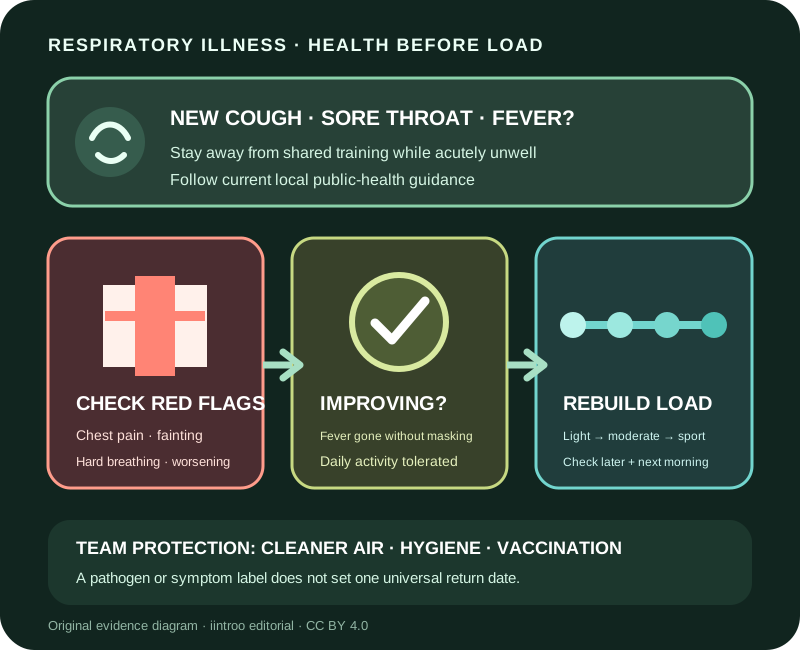
Key points
- Respiratory symptoms may be infectious or may reflect asthma, allergy or environmental irritation; fever, chest pain, breathing difficulty and marked systemic illness need clinical attention.
- Do not train through worsening illness or use fever-reducing medicine to appear ready. Protect teammates through staying away when sick, cleaner air, hygiene and current public-health advice.
- Return is a progression based on illness severity, function and response to exercise—not a universal day count or the old above-the-neck rule.
A cough does not identify the cause
This guide is for athletes, coaches, event teams and clinicians managing a new cough, sore throat, runny nose or systemic illness. Viruses cause most acute respiratory infections in athletes, but allergy, asthma, exercise-induced bronchoconstriction, laryngeal problems, air pollution and pool or cold-air irritation can overlap. Symptoms and context guide the initial decision, while examination and selective testing may be needed when diagnosis changes treatment, isolation or return planning.
The old rule that symptoms above the neck permit exercise is too crude for a medical clearance decision. Fever, chills, chest pain, breathing difficulty, wheeze not responding to the action plan, fainting, confusion, dehydration, low oxygen concerns or rapid deterioration require medical assessment; severe symptoms require urgent care. Athletes at higher risk of severe infection should contact a clinician promptly because time-sensitive antiviral treatment may be relevant for specific pathogens.
Protect the team before protecting the session
An athlete who is acutely unwell should stay away from shared travel, changing rooms, meals and training. Follow the current local public-health rule for the suspected or confirmed infection. CDC core measures include recommended immunisation, hand and surface hygiene, cleaner indoor air and staying home while sick; WHO's 2026 community hand-hygiene guidance supports reducing preventable respiratory infection rather than relying on supplement claims.
Teams should plan ventilation, isolation space during travel, access to testing and clinical care, and a non-punitive reporting system. Do not share bottles, mouthguards or towels. A negative test for one pathogen does not prove that symptoms are non-infectious, and a positive test does not by itself set the training date. Protect vulnerable teammates and staff with additional precautions during the period specified by current local guidance.
Illness severity matters more than a universal countdown
A systematic review covering 31,065 athletes found that reported symptom duration averaged about seven days, but return data were sparse and heterogeneous. The 2026 AWARE X cohort of 114 pathogen-confirmed cases found longer return outcomes with greater illness severity and differences between pathogens. Those group medians are descriptive, not deadlines. Amateur and professional settings also differed, which may reflect access, monitoring and other unmeasured factors.
A mild, improving upper-airway illness is not equivalent to influenza with fever, lower-respiratory symptoms or complications. The clinician considers the pathogen when known, severity, comorbidities, time away, cardiopulmonary symptoms and demands of the sport. Do not use medication to mask fever or stimulants to force a workout. Antibiotics do not treat viral infection and should not be taken without an appropriate diagnosis and prescription.
Return begins below normal training
Once symptoms are improving, fever has resolved without fever-reducing medicine and ordinary daily activity is tolerated, begin below the usual training load in line with clinical advice and public-health requirements. Progress from light aerobic work to moderate duration, then sport-specific intensity and full training. Check symptoms during the session and later that day and the next morning; apparent tolerance for 15 minutes does not prove readiness for a full squad session.
Stop and seek reassessment for chest pain, disproportionate breathlessness, palpitations, fainting, recurrent fever, falling exercise capacity or a significant symptom rebound. Myocarditis and other complications are uncommon but important; mass cardiac testing is not a substitute for symptom-led clinical evaluation. Return-to-training, return-to-full-training and return-to-performance are separate outcomes and may occur on different days.
Reduce recurrence without blaming the athlete
After recovery, review crowded travel, poor ventilation, inadequate sleep, training monotony, missing recovery and exposure at home or work. These are modifiable systems issues, not evidence that one athlete has a weak immune system. Maintain recommended vaccinations, ordinary nutrition and sleep opportunity. Vitamin megadoses, detoxes and unverified immune boosters do not replace infection control or a diagnosis.
Keep a confidential illness record that supports trend review without exposing private medical information to the squad. Repeated or unusually severe infections, unexplained weight change, persistent fatigue or reduced performance need qualified assessment for underlying contributors. This educational pathway does not diagnose a pathogen, prescribe treatment or set a universal isolation or return period.