
Wrestling ear swelling: treat auricular haematoma as an injury, not a badge
A new tender, boggy swelling after wrestling or grappling may be an auricular haematoma. Protect the ear, stop contact and seek prompt clinical care rather than draining it in the changing room.
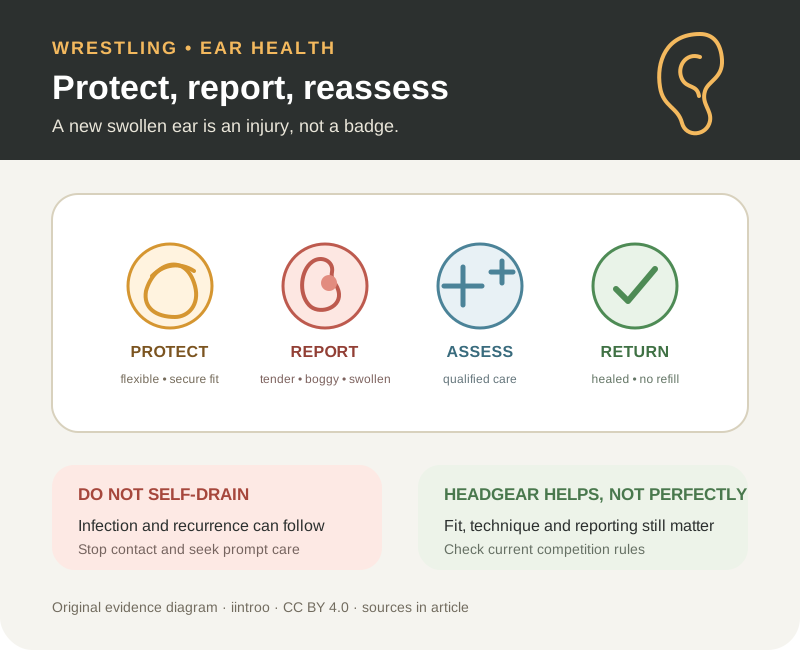
Key points
- Blunt or shearing trauma can separate the outer-ear tissues and collect blood around the cartilage; untreated or recurrent haematoma can lead to infection, cartilage damage and permanent deformity.
- Flexible, correctly fitted ear protection may reduce risk but cannot prevent every injury, and current United World Wrestling rules specify safe construction for permitted protectors.
- A suspected auricular haematoma needs prompt professional assessment; self-drainage can add infection, incomplete evacuation and recurrence risk.
Report the new swelling before the next round
This guide is for wrestlers, judoka, jiu-jitsu and other grappling athletes, coaches and event medical teams. A blow, mat contact or repeated shearing can create a tender, fluctuant or boggy swelling in the outer ear. Blood separates tissue from cartilage, which has a limited blood supply and depends on the surrounding layer for nutrition.
Stop contact and arrange prompt qualified assessment. An untreated or repeatedly refilled haematoma can lead to infection, cartilage damage and fibrous overgrowth known as cauliflower ear. The appearance may be normalised in some combat-sport cultures, but that does not make an acute swelling harmless or suitable for changing-room treatment.
Do not drain an ear with a needle from the kit bag
Clinical management may require evacuation and compression selected for the size, age and location of the haematoma, followed by review for reaccumulation or infection. The 2026 systematic review found that available studies are inconsistent and largely low level; it supports timely management while also highlighting the need for better comparative evidence.
Self-drainage can leave blood behind, introduce infection, injure cartilage or delay definitive care. A retrospective cohort found lower recurrence with specialist involvement and a bolster dressing, but it cannot define one procedure for every ear. Antibiotics, drainage method and follow-up belong to the treating clinician, not a general article or team tradition.
Use protection correctly and describe its limits
United World Wrestling permits ear protectors made from flexible, elastic material without hard buckles, with shock-absorbing ear flaps that do not endanger an opponent. Athletes should check the current competition rules and fit the protector so it stays stable without creating pressure points, obstructing hearing or slipping during contact.
An older survey of wrestlers found auricular haematoma was reported less often with headgear than without it, but injury still occurred while protection was worn and the study relied on athlete recall. That supports partial protection, not immunity. Technique, partner control, early reporting and stopping after injury remain part of prevention.
Escalate signs of infection, hearing change or head injury
Urgent reassessment is needed for increasing redness, warmth, discharge, fever, spreading swelling, severe pain or a haematoma that refills. Hearing loss, marked dizziness, blood or clear fluid from the ear canal, severe headache, repeated vomiting, confusion or another possible head injury requires an appropriate emergency pathway.
The outer-ear swelling may not be the only injury from the contact. Event staff should check for laceration, canal injury and concussion features rather than focusing on appearance alone. This article does not teach drainage, prescribe antibiotics or clear an athlete after head trauma.
Return when the treated ear can tolerate real contact safely
Return depends on wound healing, infection status, recurrence risk, secure protection, the treating clinician’s advice and the demands of the discipline. Non-contact conditioning may be possible before drilling, live grappling and competition, but the sequence must protect the treated site and any dressing or closure.
Check the ear after each step and stop if swelling, pain, drainage or protector pressure returns. A calendar alone cannot establish readiness, and permanent deformity is not evidence that a new injury is safe. No universal return date is given here.