
Youth athlete burnout: change the pressure, not just the training plan
Youth sport burnout can involve exhaustion, lost enjoyment and school stress. Learn how families and coaches can respond without blame or a DIY diagnosis.
Key points
- Burnout, overtraining and depression overlap but are not interchangeable diagnoses.
- School, travel and simultaneous team commitments belong in the same conversation.
- A young athlete's choices and health matter more than protecting a season plan.
Who this guide is for
This guide is for young athletes, parents and coaches noticing that a previously enjoyable sport has become a source of persistent dread, exhaustion or disconnection. It applies across club, school and performance pathways. A disappointing match or a tired evening does not establish burnout, and leaving one sport can be a positive choice rather than a medical problem.
The 2026 IOC consensus describes burnout through physical and emotional exhaustion, a reduced sense of achievement and devaluation of sport. Overtraining syndrome and depression can share features, but they are not interchangeable labels. Clinical assessment matters when symptoms persist, spread beyond sport or interfere with everyday functioning. This is educational information, not a screening test.
Look beyond the training calendar
In a six-year study of one US school cohort, sports participation fell from 82% in seventh grade to 39% in twelfth grade. Sport-related burnout did not significantly rise across grades, while school-related burnout was more common in high school. Annual samples were small and changed with enrollment and attrition; this was not a national survey or a test of an intervention.
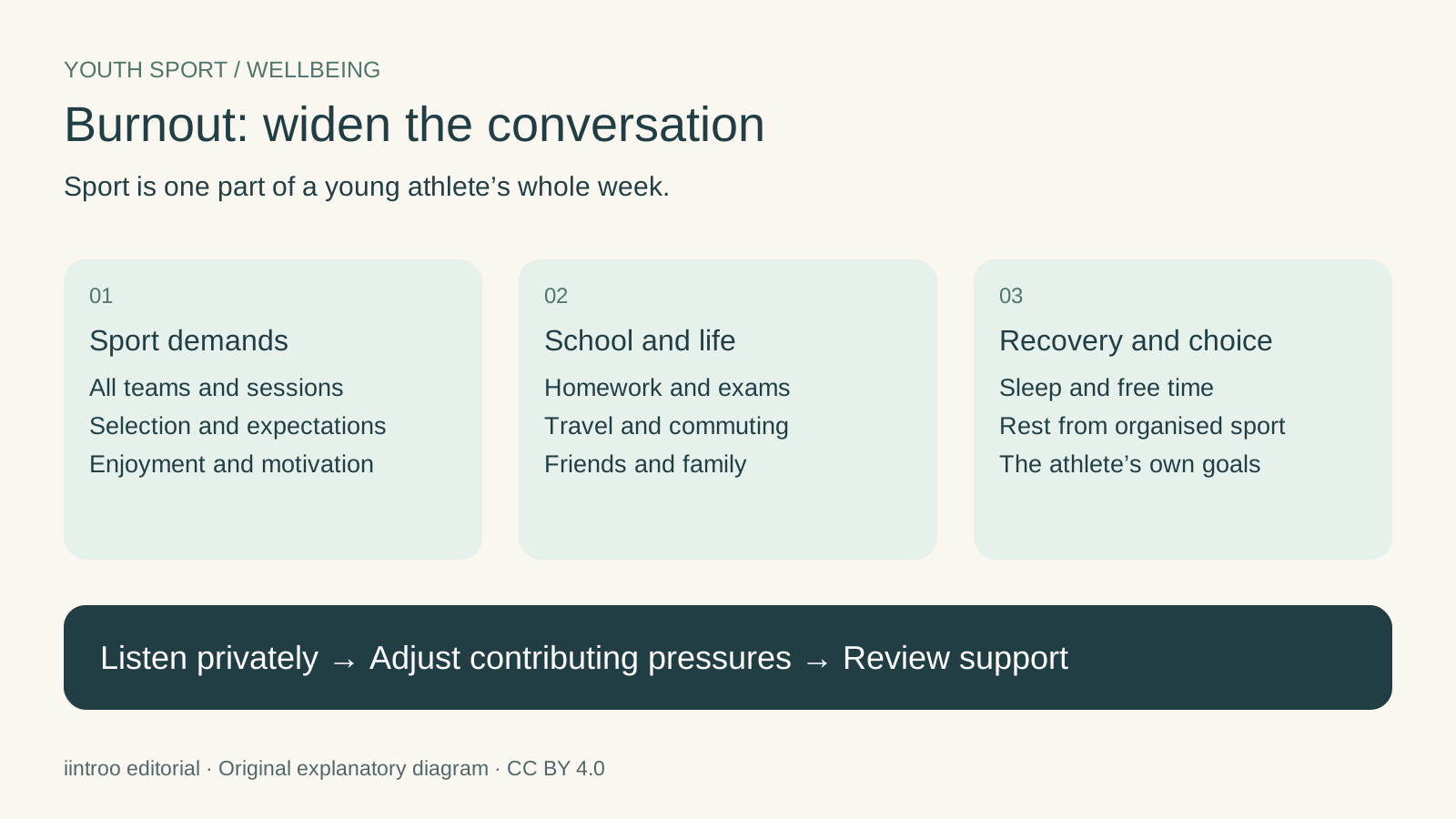
The important practical distinction is that dropout, specialisation and burnout are different outcomes. A transition to a more demanding school year can change the balance even when club training stays constant. Ask about homework, commuting, exams and other teams rather than assuming the sport itself explains everything.
Sources: 3
What a wider trend can—and cannot—mean
A 2022 meta-analysis brought together 91 studies involving 21,012 athletes, using data from 1997–2019. Average reports of reduced accomplishment and sport devaluation increased over that period. These comparisons involve different samples over time; they do not show that every athlete is deteriorating or identify one cause.
Nor do population averages diagnose the child in front of a coach. They support taking wellbeing seriously, while leaving room for different ages, environments and reasons for participating. A questionnaire score should open a conversation, not become a selection criterion or a verdict on commitment.
Make the first conversation safe
Choose a calm, private moment away from selection or competition. Ask what still feels enjoyable, what feels compulsory and what the athlete would change. Listen before proposing an extra motivation session. The AAP recommends modifying contributing pressures and involving a mental health professional when needed, rather than treating distress as an attitude problem.
Map all organised activity together: several teams can each have reasonable schedules while the combined week leaves no recovery or free time. Share only the information necessary to coordinate support, with age-appropriate involvement and privacy. Agree which adult will follow up so that a useful conversation does not disappear into the next fixture.
Protect choice, recovery and access to care
AAP family guidance prioritises enjoyment, varied activity, rest and adequate sleep and nutrition. Build space for friends and interests outside sport; avoid making affection or approval conditional on results. Broad rest recommendations are planning guidance, not a guarantee that a particular schedule is safe for every child.
Persistent low mood, loss of interest outside sport, sleep or eating changes, or worsening school function deserve assessment from an appropriate healthcare professional. Do not wait for performance to collapse. Immediate safety concerns need urgent local care. If participation changes, keep social connection and agree how the athlete can revisit their choices without pressure to return on a fixed date.