
Panic symptoms in athletes: beyond ordinary competition nerves
Panic can resemble exertional illness. Recognise the pattern, protect urgent medical red flags and connect athletes with confidential, qualified care early.
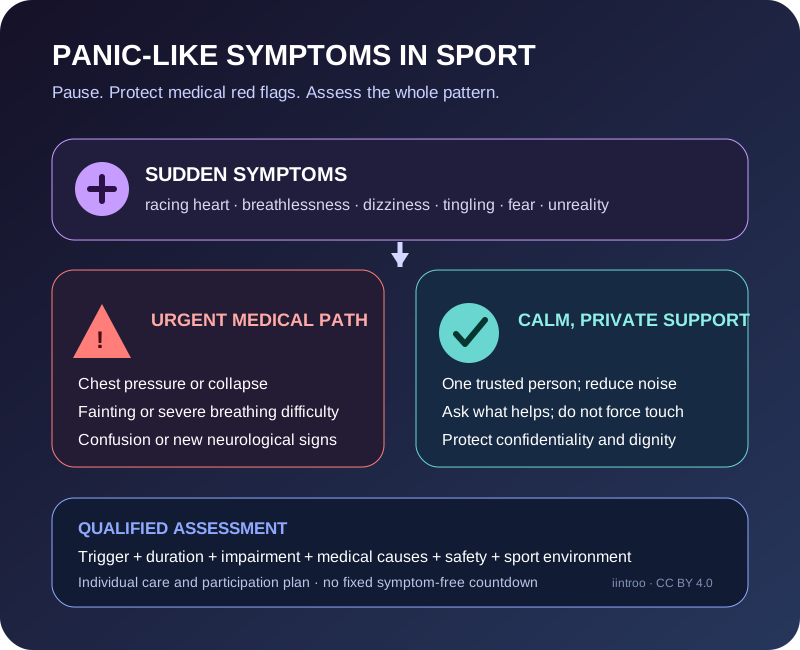
Key points
- The 2026 IOC consensus separates competition anxiety from anxiety disorders by considering trigger, duration, intensity, distress and functional impairment.
- Chest pain, fainting, severe breathing difficulty, an irregular heartbeat or a first unexplained episode during exertion must not be assumed to be panic.
- Evidence-based care can include psychological therapy and, when clinically indicated, medication; teams should protect confidentiality and avoid deselection threats.
Competition nerves and panic are not interchangeable
This guide is for athletes, families, coaches and health teams. Pre-competition arousal can be expected and may settle after the event starts. A panic attack is an abrupt surge of intense fear or discomfort with symptoms such as racing heart, breathlessness, trembling, dizziness, tingling, nausea, unreality or fear of losing control. Panic disorder involves recurrent unexpected attacks plus persistent concern or behaviour change.
The IOC warns that competitive performance anxiety can overlap with a disorder and should be distinguished by timing, duration, intensity, distress and impairment. A checklist cannot diagnose either condition. Cultural meaning, disability, previous trauma, injury, sleep, substances, medication and the sport environment all affect how symptoms are experienced and reported.
Protect the medical differential first
Panic-like symptoms overlap with asthma, cardiac rhythm problems, low blood glucose, heat illness, concussion, medication or stimulant effects and other medical conditions. A first unexplained episode during exertion, chest pressure, collapse, fainting, severe or persistent breathing difficulty, a clearly irregular heartbeat, confusion, new neurological signs or symptoms that do not settle after stopping require urgent medical assessment.
Do not tell the athlete to push through, breathe into a bag or accept a psychological label before serious causes have been considered. Move them to a safe place, stop exertion, follow the venue emergency plan and use local emergency services when indicated. A normal wearable reading does not exclude illness, and a high reading does not establish panic.
Respond without crowding or shame
When emergency signs are absent and the athlete has an established plan, one calm support person can reduce noise, protect space and use brief, non-judgmental language. Ask what usually helps rather than forcing touch, public disclosure or a breathing drill. Stay with a young athlete and follow safeguarding and parent or guardian procedures.
After the episode, record context and symptoms with the athlete's consent, not as gossip or a selection note. Teams should explain confidentiality boundaries in advance and provide a private route to care. The 2026 IOC consensus specifically calls on sport organisations to address stigma, fear of deselection and unsafe leadership behaviour.
Assessment looks beyond the start line
A qualified clinician assesses the episodes, triggers, avoidance, anticipatory fear, sleep, mood, trauma, substance and supplement use, medication and relevant medical causes. Screening tools can open a conversation but are not a diagnosis. Frequent avoidance of travel, crowds, transport, training venues or competition may signal a problem even when performance statistics look normal.
Anxiety symptoms can coexist with depression, disordered eating, low energy availability, concussion symptoms and burnout. Ask directly about safety and self-harm when clinically appropriate, and use the team's rehearsed mental-health emergency pathway for immediate risk. Support should remain available regardless of current selection status.
Treatment and sport participation are individual decisions
The IOC consensus identifies cognitive and behavioural therapies as first-line care for mild to moderate anxiety disorders and notes that medication may be considered for more severe symptoms or when therapy has not been enough. Treatment choice belongs to qualified clinicians and the athlete; this article does not recommend a drug, breathing prescription or exposure exercise.
Many athletes can continue training with appropriate support, while others need a temporary modification. A return or continuation plan can address triggers, travel, warm-up, trusted contacts, sleep and emergency steps without promising that symptoms will never recur. Progress is functional and personal—not a fixed number of symptom-free days.