
Energy drinks in youth sport: caffeine is not hydration
Energy drinks and sports drinks are different products. For young athletes, stimulant exposure, sleep loss and variable labels outweigh an uncertain performance promise.
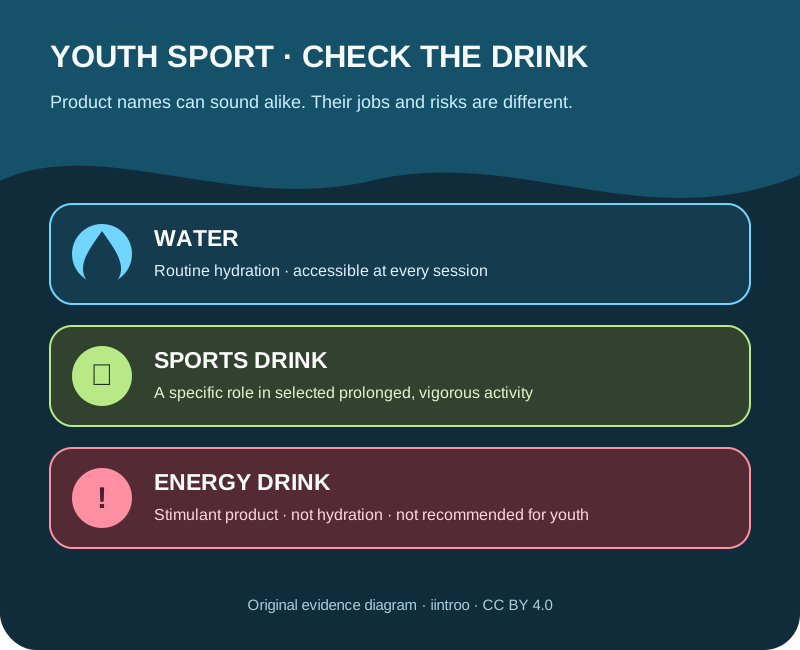
Key points
- An energy drink is a stimulant product; it is not interchangeable with a sports drink or plain water.
- The American Academy of Pediatrics advises that children and adolescents should not consume energy drinks.
- Controlled caffeine studies in adolescent athletes do not establish that routine use is safe, necessary or beneficial in real-world youth sport.
Start by reading what the product actually is
This guide is for young athletes, parents, coaches, schools and clubs. Energy drinks usually contain caffeine or other stimulants and are marketed for alertness. Sports drinks are different: they generally provide water, carbohydrate and electrolytes. Similar colours, bottles and sponsorships do not make the products interchangeable.
The American Academy of Pediatrics states that stimulant-containing energy drinks have no place in the diets of children and adolescents. That is a population-level recommendation, not a diagnosis of an individual who has already consumed one. A coach should not offer an energy drink as hydration, a pre-game requirement or a reward.
A small laboratory effect is not a youth-sport recommendation
A 2026 review found a small average effect of acute caffeine on selected physical-performance tasks in adolescent athletes. The estimate varied substantially, sport-specific outcomes were not clearly improved, and evidence for cognition and psychology was sparse. Thirty-two studies contributed data from 726 participants, so the result does not settle safety or effectiveness for every age, sport or setting.
The review also found inconsistent adverse-event reporting and cautioned against extrapolating controlled, single-dose caffeine studies to children, repeated use or energy drinks. Most research asks whether caffeine changes a test result under study conditions. It does not show that a young person needs caffeine to train well, cope with school or keep a place on a team.
Sources: 3
Protect sleep and notice stimulant symptoms
Caffeine can outlast the training session and reduce sleep opportunity or quality, especially when used later in the day. A 2026 athlete meta-analysis linked acute caffeine with more self-reported insomnia, anxiety, nervousness, abdominal discomfort, headache and fast heartbeat than placebo, although the included trials were mainly in athletes aged 15 years or older and used varied doses.
Stop exercise and seek urgent medical help for collapse, chest pain, severe breathing difficulty, seizure, marked confusion or a persistent very fast or irregular heartbeat. For milder but recurring palpitations, tremor, anxiety, stomach symptoms or sleep difficulty, tell a parent or guardian and arrange clinical advice. Do not try to counter one stimulant with another product or an unprescribed sedative.
Match the drink to the actual hydration job
For routine activity, plain water is usually the practical starting point. The AAP report describes a limited role for sports drinks during prolonged vigorous activity when rapid replacement of carbohydrate or electrolytes is relevant. That specific role does not convert an energy drink into a hydration product and does not mean every training session requires a sweetened drink.
Heat, session duration, protective clothing, access to breaks and individual medical needs can change a hydration plan. Youth organisations should provide safe water access and planned drink breaks rather than leaving hydration to product marketing. An athlete with a medical condition or repeated heat symptoms needs individual advice from a qualified clinician.
Build a team rule that adults can enforce
Clubs can prohibit distribution or promotion of stimulant energy drinks to minors, brief staff on the difference between product categories and include caffeine in travel and late-match planning. Ask about all sources—coffee, tea, cola, gels, gum, pre-workout powders and supplements—without shaming the athlete.
The evidence base is limited by small studies, short follow-up, inconsistent safety reporting and under-representation of younger adolescents and girls. This article therefore gives no performance dose or safe universal threshold. Persistent fatigue deserves review of sleep, nutrition, workload, illness and wellbeing rather than automatic stimulant use.