
Alpine skiing after ACL injury: returning to snow is not returning to performance
Alpine skiing after ACL injury needs clinical assessment, physical and psychological readiness, and staged snow exposure—not a universal race-return date.
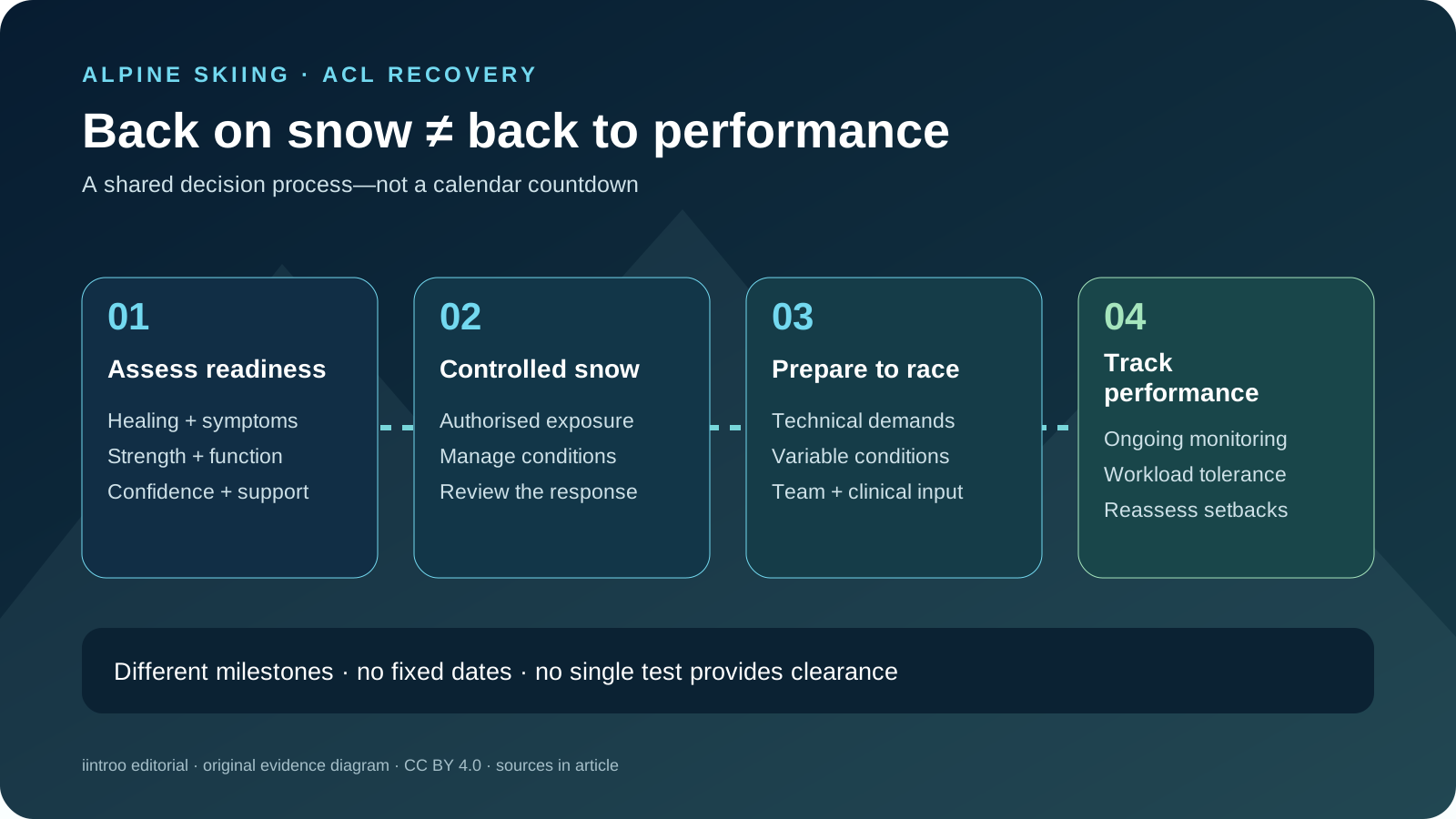
Key points
- Returning to some skiing, racing again and regaining previous performance are different milestones.
- The 2026 ski-specific review included 35 studies but found limited evidence on later recovery and psychosocial factors; its framework also draws on expert judgement.
- A race calendar, pain-free run or single symmetry score cannot replace an individual, multidisciplinary return decision.
Define the destination before chasing a date
This guide is for competitive alpine skiers, families and support teams discussing recovery after an anterior cruciate ligament injury. A first controlled session on snow is not equivalent to tolerating full gates, race speed, changing terrain and a competition schedule. Returning to participation, returning to the sport and returning to performance describe different achievements—not interchangeable labels on a medical certificate.
FIS surveillance documents a substantial injury burden across competitive snow sports. Those historical population data explain why careful planning matters; they cannot estimate one skier's recovery time. Agree which activity is being considered, which demands it adds and who is responsible for the decision. A booked camp or selection deadline is an organisational constraint, not evidence that a knee is ready.
What the 2026 skiing evidence adds
A March 2026 scoping review included 35 studies of competitive alpine skiers after ACL injury. It excluded recreational and competitive para alpine skiing. Much of the literature concerned injury patterns, secondary risks or early rehabilitation; later competition and performance phases, psychological recovery and social support were less well studied. The proposed pathway combines research with expert practice rather than proving one protocol prevents reinjury.
The separate FIS consensus covers competitive alpine and freestyle skiing and snowboarding. Its 23-member panel included seven women and was predominantly European. It offers a shared planning framework, not a universally validated test battery. The two publications share contributors, so they should not be counted as two independent clinical trials. Their practical value lies in making the return process explicit.
Readiness is more than matching the other leg
The treating team evaluates healing, symptoms, movement, strength, functional capacity and the athlete's confidence alongside the actual sport demands. The ski-specific review cautions that similar left and right results can conceal weakness in both legs. Where available, preinjury performance or appropriate sport benchmarks provide additional context. No single percentage on a home test clears someone to ski.
The broader Panther consensus also supports criteria-based progression and shared decisions rather than time alone. Fear of reinjury deserves discussion, not pressure to appear fearless. Surgeons, rehabilitation clinicians, strength staff, technical coaches and the athlete need a common understanding of what has been tested, what remains uncertain and which exposure is authorised next.
Rebuild snow exposure as a supervised process
Once the clinical team permits snow exposure, progression should account for speed, terrain, visibility, equipment, turn demands and session duration. The 2026 review describes movement from controlled conditions toward more complex skiing and race simulation. These are dimensions for a professional to adjust—not instructions to start carving, jumping or gate training independently.
Write down the permitted activity and the response that should trigger reassessment. Preserve communication when the athlete moves from a rehabilitation centre to a training camp. Continued monitoring after the first race matters: competition participation does not establish that previous performance, workload tolerance or confidence has returned. An athlete may need a revised plan without having failed rehabilitation.
Symptoms take priority over the programme
A very painful, markedly swollen or deformed knee, inability to move it or bear weight, locking or giving way warrants prompt medical assessment. Fever with a hot, red knee also needs urgent care. Do not repeatedly test an unstable knee on a slope; use the venue's assistance pathway rather than attempting a difficult descent.
This is education about decision-making, not a diagnosis, surgical recommendation or exercise prescription. Treatment, tissue healing and associated injuries differ. Recreational skiers, children and para athletes need assessment appropriate to their own circumstances rather than automatic adoption of an elite adult racing pathway.