
Artistic swimming load: count pool, acrobatics and dryland together
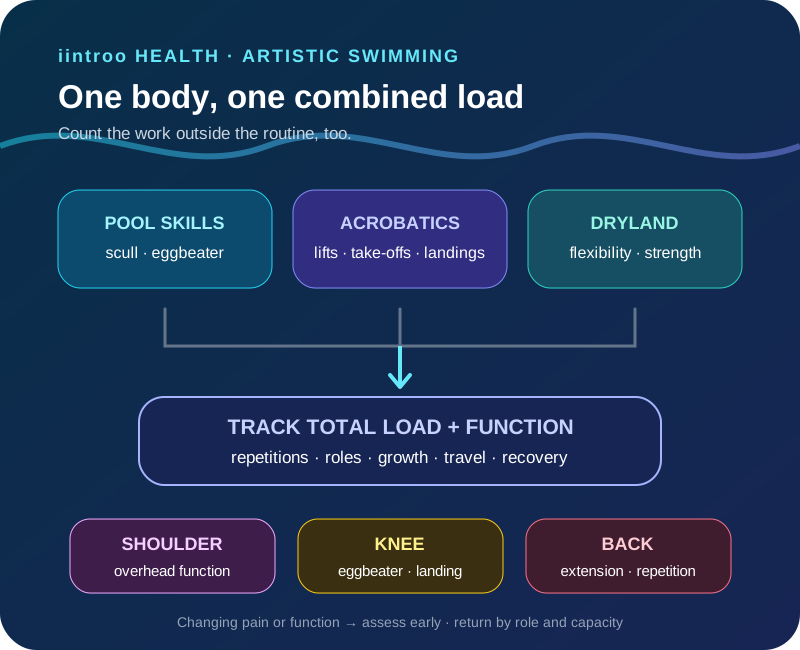
Shoulder, knee and back symptoms sit inside one combined workload. Track sculling, eggbeater, lifts, flexibility, strength and land training together, then respond early to changing function.
Key points
- Artistic-swimming load includes pool routines, sculling, eggbeater, lifts and acrobatics as well as flexibility, strength and dryland sessions; the body experiences their combined dose.
- A 2025 systematic review found shoulder, knee and back problems across a small, methodologically varied literature, so prevalence estimates cannot predict an individual injury or prove one cause.
- Pain that changes technique, range, strength, walking, sleep or daily function deserves early assessment and a staged return based on the diagnosed problem and performance demands.
See the whole performance workload
This guide is for artistic swimmers, coaches, families and health teams. One routine can combine repeated overhead sculling, sustained eggbeater, rapid transitions, partner lifts, acrobatic take-offs and landings, extension and breath-control demands. Dryland flexibility, strength, choreography and repeated run-throughs add load even when they are not recorded as pool time.
Build a weekly map that includes routine repetitions, technical drills, acrobatics, partner work, flexibility, gym training, travel and competition. Note which roles carry or are lifted and how often new skills are repeated. Minutes alone can conceal the intensity and body region stressed.
Interpret the injury evidence cautiously
A 2025 systematic review included 11 studies and identified the shoulder, knee and lower back among commonly reported problem areas. The authors also found major variation in populations, injury definitions and methods. The available studies cannot provide one reliable prevalence figure for every squad, predict who will be injured or prove that a single movement caused a symptom.
Do not turn a screening score, flexibility measure or posture into a diagnosis. Monitoring is useful when it detects change in the individual athlete and starts a conversation. It is not a certificate that the next routine is safe.
Respond to changes in function
Ask whether pain is becoming more frequent, appears earlier, changes sculling or eggbeater technique, reduces strength or range, or persists into sleep and daily activity. Swelling, locking, instability, neurological symptoms, inability to bear weight, a traumatic deformity or sudden major loss of function needs prompt medical assessment. Back pain with new bladder, bowel or saddle-area symptoms is an emergency.
Young athletes may also be navigating rapid growth, school load and pressure to maintain a particular shape or flexibility. Persistent fatigue, recurrent injuries, eating concerns or menstrual and hormonal changes should widen the assessment rather than being dismissed as part of the sport.
Adjust the dose without losing the whole plan
An adjustment may reduce repeated lifts, overhead volume, deep knee work, extreme-range loading or consecutive full routines while preserving tolerable technical, conditioning or choreography work. Count what replaces the removed task; an extra dryland session can simply move the same overload elsewhere. Coordinate club, national-team and independent coaching.
World Aquatics rules and manuals define competition requirements, not a personal rehabilitation prescription. A routine's required elements do not establish that an injured athlete is ready to perform them. Medical and coaching teams should separate selection deadlines from the health decision.
Return from capacity to routine complexity
A staged return can rebuild daily function, region-specific capacity, basic pool skills, repeated technical work, partner tasks, acrobatics and complete routines while checking the response after each increase. The sequence depends on the diagnosis, role and event. Pain-free flexibility alone is not the same as readiness for repeated force or fatigue.
This article provides general education. It does not diagnose shoulder, knee or back pain, prescribe flexibility or strength targets, or set a universal return date. Seek qualified medical assessment for persistent, recurrent or function-limiting symptoms.