
Compression garments for recovery: a close fit is not a repair guarantee
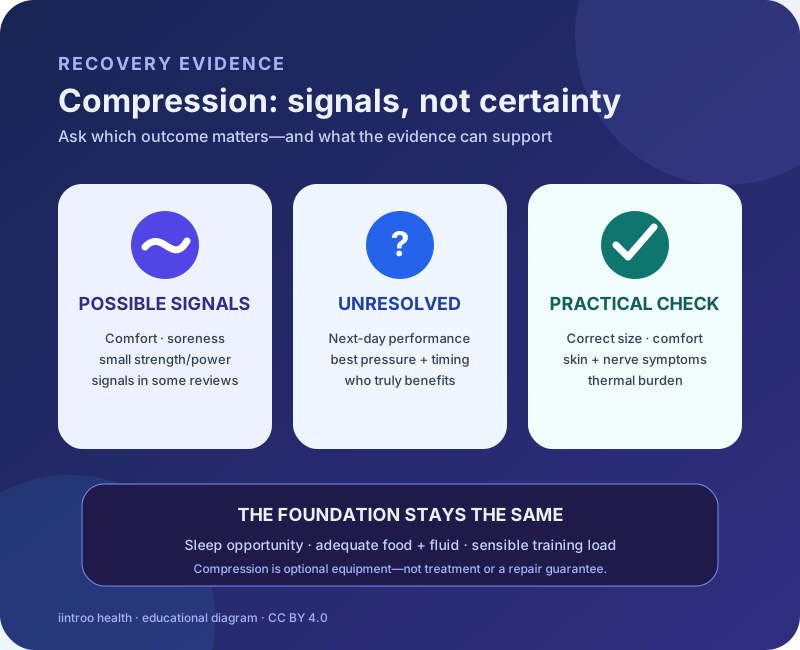
Compression clothing may change selected soreness, strength or power outcomes, but reviews disagree and certainty is limited. Test comfort and usefulness without replacing sleep, food or load management.
Key points
- A 2026 endurance-athlete review found very-low-certainty and imprecise soreness evidence and could not establish a subsequent-performance benefit.
- Other reviews report small strength or power signals, while a 2022 meta-analysis found no overall strength-recovery effect; different questions and methods help explain the disagreement.
- Compression clothing is optional recovery equipment, not treatment for swelling, clot risk, injury or illness, and an uncomfortable or restrictive garment should not be forced.
Name the recovery problem before buying the garment
This guide is for athletes, coaches and support teams considering tights, sleeves or other compression clothing after training or competition. Start with the outcome: comfort, perceived soreness, strength, power or readiness for the next session. Those outcomes are related but not interchangeable, and a favourable result in one does not prove faster tissue repair.
The Australian Institute of Sport includes compression among several recovery resources alongside water immersion, nutrition, hydration and support-staff planning. That context matters. A garment cannot compensate for inadequate energy, fluid, sleep opportunity, injury assessment or a training schedule that repeatedly exceeds the athlete's current capacity.
Read the endurance evidence as uncertain
The 2026 endurance-specific review included nine studies and 158 participants. Ten of 11 risk-of-bias assessments were high risk. Pooled soreness estimates leaned towards compression at selected time points, but confidence intervals crossed no effect, heterogeneity was substantial and certainty was very low. Subsequent-performance results were too heterogeneous or entangled with compression worn during performance to pool.
A 2024 umbrella review brought together 22 prior reviews and 63 primary studies of endurance recovery strategies. It found no single strategy that could be consistently advised, although some individual compression findings appeared positive. An umbrella review inherits the overlap and limitations of the reviews it includes, so it cannot turn mixed trials into a universal recommendation.
Different reviews can reach different summaries
A 2025 meta-analysis of 27 studies reported small statistical signals for recovery of strength and power after fatigue. By contrast, a 2022 review of 19 randomised trials and 350 participants found no overall strength-sparing effect across its time windows. The reviews differed in included studies, outcomes, models, exercise tasks and how recovery was defined.
A small average effect does not reveal whether one athlete will notice a useful change, and statistical significance is not the same as meaningful readiness for sport. Blinding is especially difficult because athletes can feel whether a garment is tight. Expectation, comfort and preference may influence reported soreness even when laboratory performance does not change.
Fit, context and health still matter
If a healthy adult athlete chooses to trial compression, use a correctly sized product, follow the manufacturer and team's hygiene instructions and test it in ordinary training before a major event. Stop if it causes pain, numbness, tingling, colour change, skin injury, unusual swelling, overheating or restricted movement. A tighter garment is not automatically a better garment.
Compression for a medical condition is a different question. New one-sided swelling, chest pain, unexplained breathlessness, a cold or pale limb, severe calf pain or neurological symptoms needs medical assessment rather than a recovery sleeve. People with vascular, neurological, skin or other medical conditions should obtain individual advice before using compression.
Use a simple, honest trial
Choose one purpose, record the garment, fit, timing, comfort and the same recovery outcome across comparable sessions. Keep sleep, food, hydration and training context visible. If the athlete likes the garment and it does not create problems, personal preference may justify use even when the average performance evidence is uncertain.
Do not claim that compression flushes toxins, repairs muscle, prevents every injury or guarantees next-day performance. This article provides general education; it does not prescribe pressure, duration, medical compression or a treatment plan.