
Exercise-related anaphylaxis: stop, use the prescribed plan and call for help
Anaphylaxis during or after exercise is uncommon but time-critical. Athletes need specialist assessment, immediate access to their prescribed adrenaline device and a rehearsed venue response.
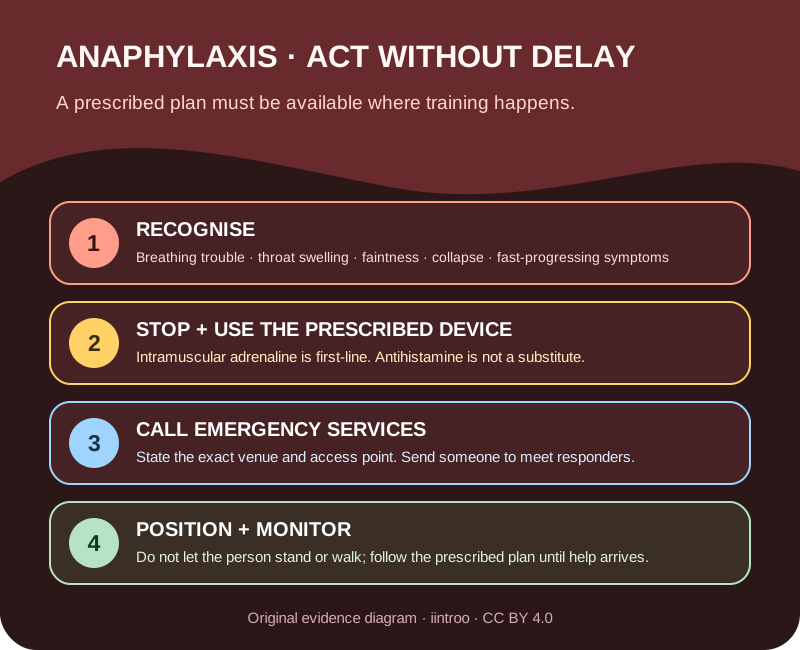
Key points
- Breathing difficulty, throat or tongue swelling, collapse or rapidly progressing symptoms after exercise can indicate anaphylaxis even without hives.
- Intramuscular adrenaline is the first-line treatment; an antihistamine does not replace it.
- Food, medicines, infection, heat and other cofactors can alter risk, so trigger assessment must be individual.
Recognise a pattern that can escalate quickly
This guide is for athletes, parents, coaches, officials and event staff. Suspect anaphylaxis when symptoms develop rapidly and involve breathing, circulation or more than one body system. Warning signs can include throat or tongue swelling, noisy or difficult breathing, wheeze, faintness, collapse, widespread hives or flushing, and vomiting or abdominal symptoms. Skin signs can be absent.
Stop exercise immediately and activate the athlete's prescribed emergency plan. Call local emergency services. If the person has an adrenaline auto-injector, they should use it promptly or receive trained assistance according to the device instructions and local rules. Antihistamines and inhalers do not replace adrenaline for anaphylaxis.
Position and monitor while help is coming
Keep the person lying down; if breathing is difficult, they may sit with legs extended. Do not let them stand or walk suddenly, even if they feel better. If they become unresponsive and are not breathing normally, begin CPR and use an AED according to training and dispatcher instructions.
Resuscitation Council UK guidance advises a second prescribed auto-injector dose after five minutes if symptoms persist. The exact device, dose and plan belong to the athlete's clinician and local protocol; this article is not a substitute for hands-on training. Continue monitoring because symptoms can recur after initial improvement, and emergency assessment is still required.
Exercise may be one part of the trigger
Exercise-induced anaphylaxis can occur with exercise alone, while food-dependent exercise-induced anaphylaxis requires a food–exercise combination. Medicines such as NSAIDs, alcohol, heat, infection, menstrual factors and other cofactors may change a person's threshold. The pattern differs between individuals and can vary between episodes.
The 2022 food-dependent systematic review assembled 722 patients from 231 mostly observational reports, case series and case reports. Its timing patterns help clinicians ask better questions, but they cannot identify a trigger from a meal diary alone or provide one safe waiting interval for everyone. Diagnostic exercise or food challenges require specialist supervision because they can provoke severe reactions.
Build a plan that travels with the athlete
An allergy specialist can confirm the diagnosis, assess relevant foods and cofactors, prescribe the appropriate device and create a written plan. The athlete should know where prescribed auto-injectors are kept, check expiry and storage requirements, and practise with the correct trainer device. Teammates and staff need role-specific training with the athlete's consent.
The sport venue also needs an emergency action plan: a precise location, emergency number, access route, named caller, trained responders and a handover process. The NATA position statement recommends rehearsal and a pre-event readiness check. A plan locked in an office or separated from the athlete during travel does not provide rapid access.
Return only after medical follow-up
After an episode, record exercise, food, medicines, illness, environmental conditions and symptom timing without assuming that the last food eaten was the cause. Arrange specialist follow-up and replace any used devices. The athlete should not test the suspected combination alone or return simply because symptoms resolved.
Many athletes can remain active with an individual prevention and emergency plan. Restrictions should be based on specialist assessment rather than a blanket ban on exercise or broad food avoidance. This guide does not diagnose allergy, identify a trigger, change prescribed medication or clear an athlete for return.