
Heavy periods in athletes: when bleeding needs attention
Heavy menstrual bleeding can disrupt training and daily life. Learn which changes to report, why iron alone is not the whole answer, and when to seek care.
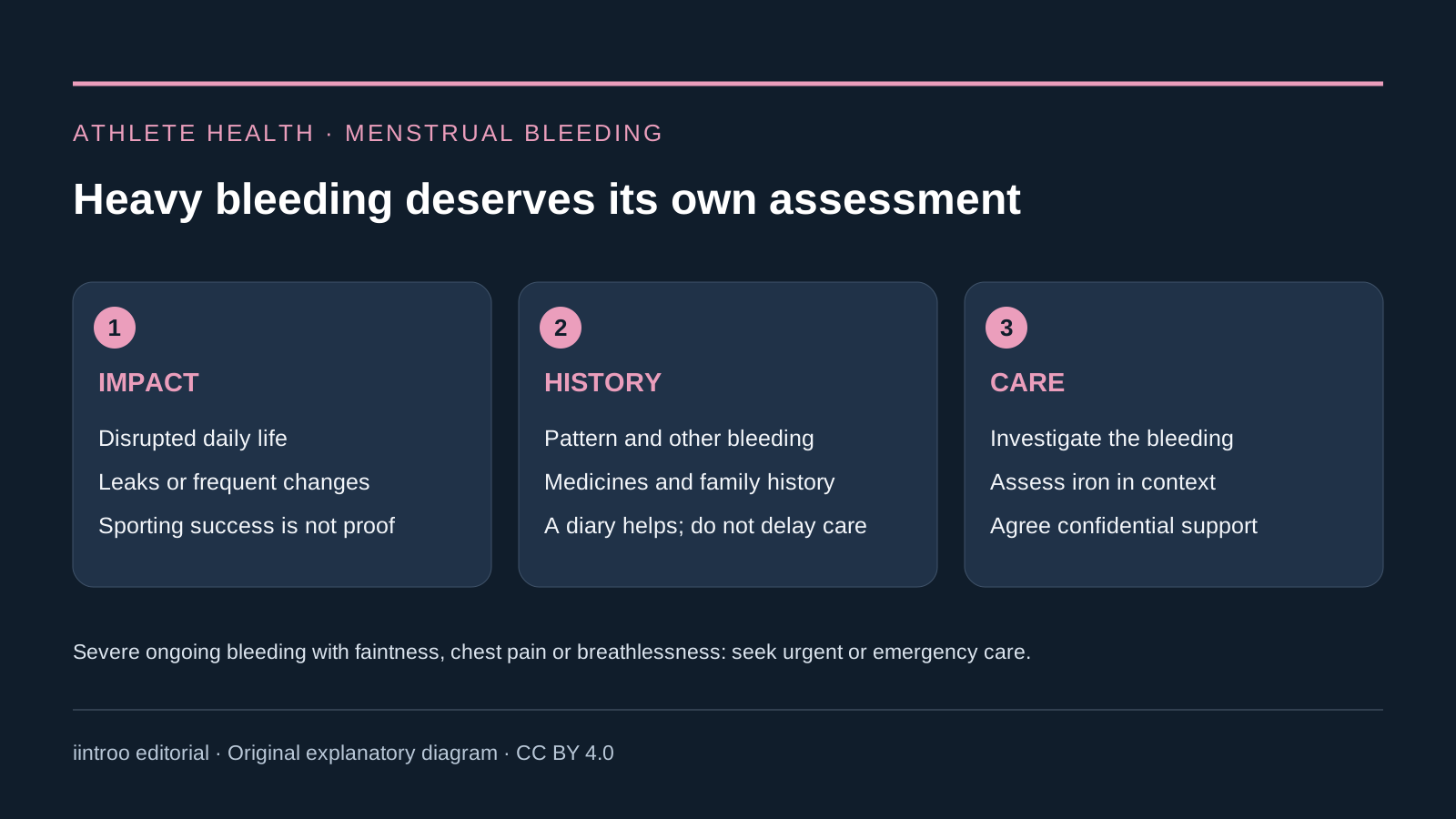
Key points
- Bleeding that disrupts everyday life deserves assessment.
- Iron status and the cause of bleeding are related but separate questions.
- Sporting success does not make persistent heavy bleeding normal.
Look beyond the competition calendar
This guide is for athletes who menstruate, including young athletes and people competing in endurance, strength, team or technical sports. Planning around period dates is not the same as assessing bleeding that is unusually heavy or disruptive. Needing to leave practice repeatedly, avoiding travel or worrying about leakage can be health concerns even when sporting results remain good.
The NHS describes clues such as frequent product changes, using two products together, bleeding lasting more than seven days, large clots and leakage onto clothing or bedding. These are prompts for a conversation, not a self-diagnosis score. The impact on daily life matters; athletes do not need to prove a measured volume of blood loss before seeking help.
Athlete surveys show a problem, not a universal prevalence
A 2024 longitudinal report followed questionnaire responses from 128 elite British track-and-field athletes, out of 208 invited. Forty participants reported heavy bleeding. The questionnaire was not validated, reporting was subjective and the selected national programme cannot represent every athlete or country. Perceived performance effects were not a trial of treatment.
A separate 2016 study surveyed 789 women online and 1,073 at the London Marathon. Heavy-bleeding estimates differed substantially between these samples. Self-selection, symptom-based definitions and the absence of iron biomarkers limit what can be concluded. These studies support taking symptoms seriously, but cannot show that heavy bleeding causes every episode of fatigue or that one treatment improves competition performance.
Bring the whole bleeding history
Tell the clinician when the pattern started, how it affects sleep, training and ordinary activities, and whether it has changed. Include bleeding between periods or after sex, other symptoms, medications and previous treatment for iron deficiency or anaemia. A brief diary can make the discussion clearer, but collecting months of data should not delay care.
Heavy menstrual bleeding can sometimes be a clue to a bleeding disorder, especially alongside frequent nosebleeds, unexplained bruising, prolonged bleeding after dental work or surgery, or a family history. It does not automatically mean a particular inherited condition. Sharing these details helps the clinician decide which investigations or specialist input might be appropriate.
Sources: 2
Iron assessment does not replace investigating the bleeding
ACOG's adolescent guidance recommends assessment for anaemia from blood loss, including ferritin, as well as possible endocrine causes of irregular ovulation and bleeding disorders. That adolescent pathway should not be turned into a universal testing schedule for every adult athlete. Test selection and interpretation belong within an individual clinical assessment.
Low iron stores and the reason for blood loss are separate questions. Treating one does not automatically resolve the other. Ferritin also needs context, including possible inflammation; an isolated result is not a complete explanation for poor recovery. Avoid starting or escalating iron, hormones or pain medicines on the basis of a training slump or an online checklist.
Sources: 3
Care should fit the person, not the next fixture
Several treatment approaches exist, and the appropriate choice depends on the cause, medical history, preferences and other circumstances. A clinician may involve gynaecology or haematology when needed. This article does not select a medicine, contraception method or dose, and does not promise a performance benefit from treatment.
Practical support can include confidential access to care, flexible bathroom breaks and a plan for discussing missed sessions without demanding intimate details from a coach. Agree who needs to know about training adjustments and keep personal health information private. Continuing to compete should not be treated as proof that assessment is unnecessary.
Do not wait through severe symptoms
Heavy ongoing bleeding with faintness, chest pain or significant breathlessness needs urgent or emergency assessment, rather than a routine discussion about sports nutrition. If symptoms are severe or rapidly worsening, contact local emergency services. Do not wait to reach a particular product-change count or finish a session before seeking help.
Sources: 4