
Hormonal contraception and athletic performance: evidence does not choose the method
Average performance effects in oral-contraceptive studies are small or uncertain, while methods and individual health needs differ. Contraceptive choice belongs in informed clinical care.
Key points
- Hormonal contraception includes several methods with different hormones, doses, routes, bleeding patterns, benefits and risks; pill studies do not represent every method.
- Meta-analyses do not support a universal performance advantage or disadvantage from oral contraceptives, and most included studies were small or lower quality.
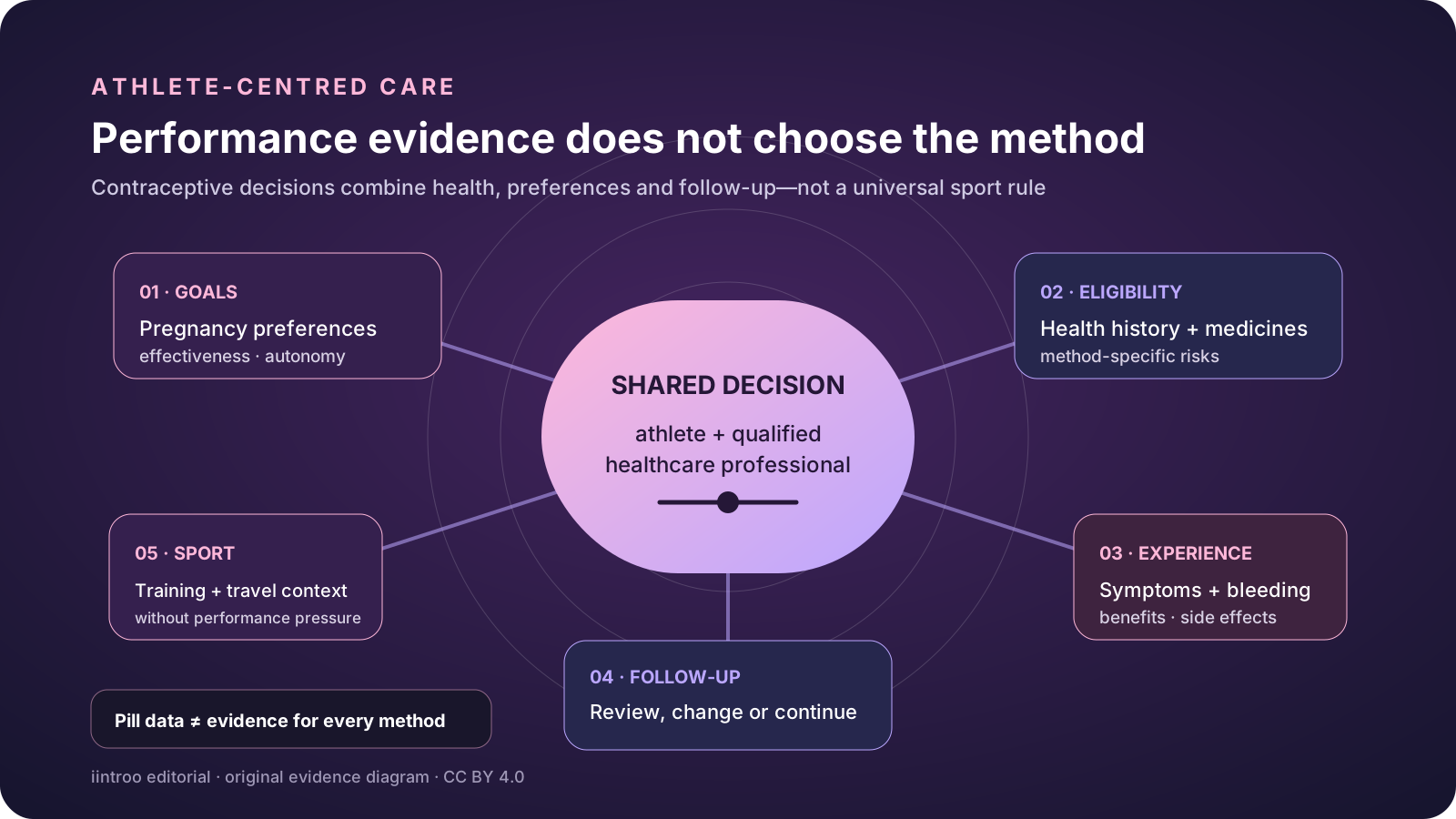
- Starting, stopping or switching a method should be based on pregnancy preferences, medical eligibility, symptoms and informed follow-up—not a generic sports-performance rule.
Begin with the athlete's health goals, not a performance rumour
This guide is for athletes who can become pregnant, their clinicians, sports dietitians and trusted support teams. Contraception may be considered for pregnancy prevention, menstrual symptoms, bleeding control or other health reasons. WHO guidance describes multiple hormonal and non-hormonal options and requires method-specific medical eligibility and counselling.
An athlete should not be pressured to start, stop or change contraception to satisfy a coach, body-composition target or cycle-tracking programme. The decision belongs to the athlete with a qualified healthcare professional, with privacy, reproductive choice, health conditions, medicines, preferences and access considered together.
Oral-contraceptive performance effects look small on average
A systematic review and meta-analysis of 42 studies and 590 participants found that oral-contraceptive use might be associated with slightly lower exercise performance on average than naturally menstruating, but the group-level effect was most likely trivial and varied widely. Only 17% of included studies were rated high quality, so the result does not predict one athlete's response.
A later meta-analysis of eight resistance-training studies and 325 participants found no significant effect of oral-contraceptive use on muscle hypertrophy, power or strength adaptation. Every included study concerned pills; the finding should not be extended automatically to implants, injections, hormonal intrauterine devices or rings.
Within-cycle findings do not justify micromanaging training
The 2020 performance meta-analysis found exercise performance was broadly consistent between active-pill and withdrawal phases. A 2024 study of 22 elite handball players found small phase differences in selected endurance measures that the authors judged physiologically insignificant, with no differences in the other tested outcomes.
These results do not prove every athlete feels the same. Individual symptoms, bleeding, side effects, adherence, travel and sport schedule can matter. A symptom record may support a clinical conversation, but it is not evidence that training must be synchronised to a pill phase or that a method is unsafe.
Contraception can change a useful health signal
Some hormonal methods alter or suppress bleeding. That can improve symptoms for some people, but it can also make withdrawal bleeding a poor marker of natural menstrual function. In an athlete at risk of low energy availability, apparent cycle regularity on a pill does not rule out REDs or protect bone and other body systems by itself.
Discuss persistent fatigue, recurrent bone stress injury, significant mood change, new headache, troublesome bleeding or other concerns with an appropriate clinician. Severe chest pain, breathlessness, one-sided leg swelling, new neurological symptoms or another acute serious reaction needs urgent local medical care; this list is not a complete risk screen.
Use shared decisions and planned follow-up
A useful consultation can cover contraceptive effectiveness, medical eligibility, expected bleeding, symptom priorities, side effects, interactions, anti-doping questions where relevant, privacy and how follow-up will work. Sport-specific concerns should be heard, but limited performance research should be described honestly rather than used as a sales claim.
Do not stop a prescribed method abruptly or borrow another person's contraception based on this article. A clinician can help choose, review or change a method safely. This educational synthesis does not recommend one contraceptive, provide an individual risk assessment or promise a performance outcome.