
Karate kumite head and face injuries: control the contact, then assess the athlete
Head and facial injuries dominate karate competition reports. Approved protection and controlled technique matter, but possible concussion or dental trauma still needs the right response.
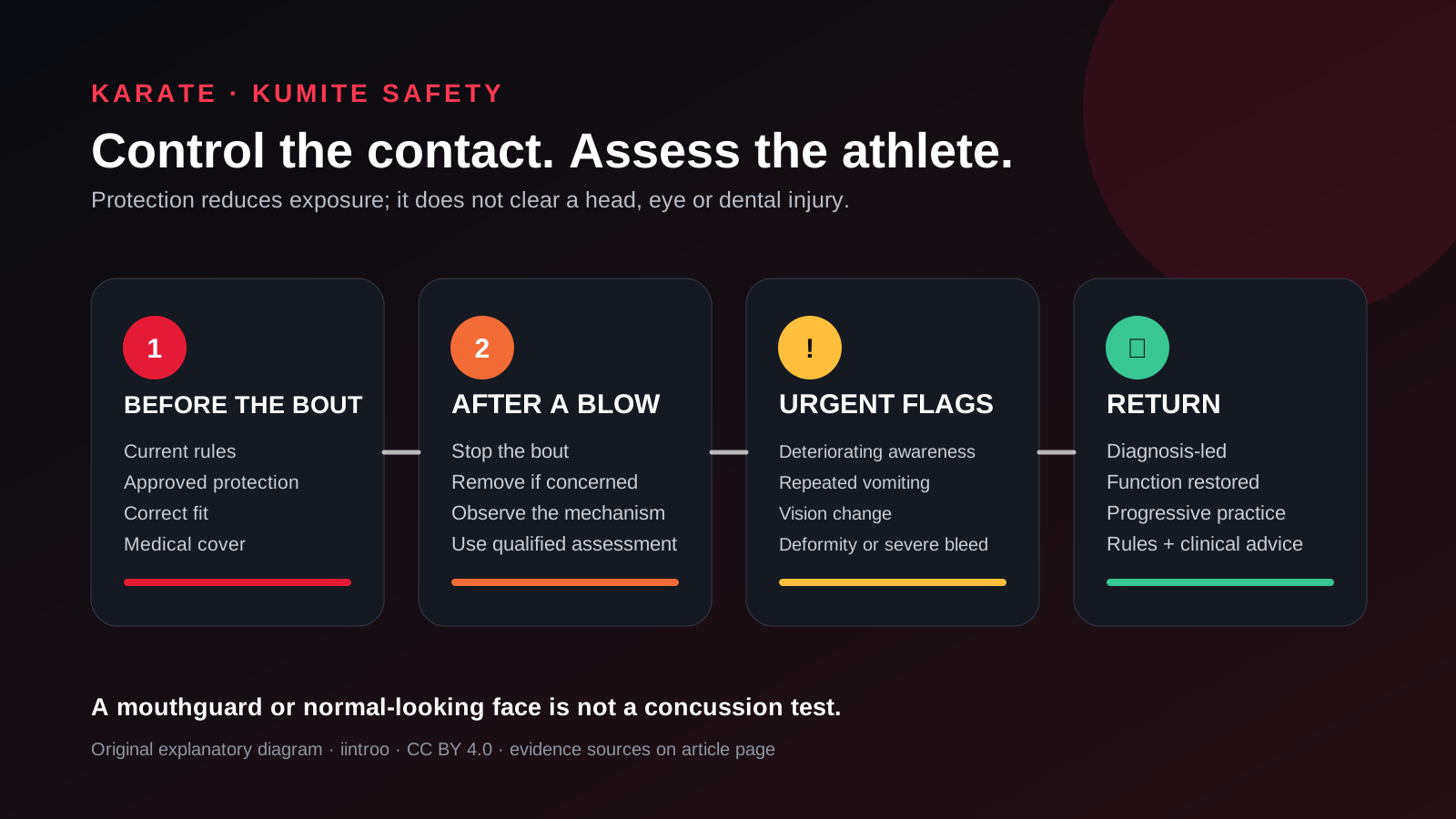
Key points
- Competition studies consistently place the head and face among the most frequently treated regions in kumite, although injury definitions and event settings differ.
- WKF-approved equipment and contact-control rules reduce exposure but cannot rule out concussion, eye injury, fracture or dental trauma after a blow.
- A suspected concussion means removal and medical assessment; a mouthguard or normal-looking face is not a clearance test.
Kumite asks for control, not immunity from injury
This guide is for karate athletes, families, coaches, referees, event organisers and medical teams. WKF competition documents set rules for permitted contact, penalties, medical management and compulsory or age-specific protection. Those controls shape risk, but no glove, body protector, mouthguard or helmet can make a legal technique harmless in every circumstance.
A systematic review of 28 prospective competition studies found that the head and neck were the most frequently reported region and that contusions, abrasions and lacerations dominated. Definitions, rules, age groups and surveillance methods varied widely, so the pooled rates should describe a pattern rather than predict one athlete's risk.
The face needs more than a quick visual check
A prospective European and Swiss study of 2,404 bouts again identified the head as the most treated region. A newer Iranian junior championship cohort found the face was the commonest site in its setting. Neither study proves that a particular technique or piece of equipment caused the pattern, and treatment-only surveillance can miss symptoms reported later.
In a survey of 420 European karate competitors, 44 reported previous dental trauma and many athletes had altered their mouthguards. Self-report cannot estimate current incidence, but it supports routine fit checks and dental education. Do not cut, thin or reshape protective equipment in a way that defeats the governing-body or manufacturer's specification.
Recognise concussion without waiting for collapse
Possible concussion can follow a punch, kick, fall or collision even without loss of consciousness. Confusion, amnesia, imbalance, headache, visual disturbance, slowed responses, unusual behaviour or another concerning symptom should trigger removal and the current WKF medical pathway. The low concussion count recorded by doctors across four older world championships does not prove that concussion is impossible or always obvious.
Worsening headache, repeated vomiting, seizure, increasing drowsiness, neck pain, weakness, unequal pupils, severe confusion or deteriorating consciousness requires urgent local emergency care. Do not let a score, medal round, normal mouthguard or rapid symptom improvement override medical assessment.
Prepare the event response before the first bout
Organisers can verify current WKF and national rules, approved and correctly fitted equipment, qualified medical cover, emergency access and a clear handover process. Coaches and referees need a shared plan for stopping the bout and communicating the mechanism and observed signs without trying to diagnose the athlete themselves.
For an avulsed permanent tooth, urgent dental care is time-sensitive; handle only the crown and follow local emergency-dental instructions. Eye pain, vision change, facial deformity, uncontrolled bleeding, breathing difficulty or suspected fracture also needs prompt professional assessment. This article does not provide a sideline treatment protocol.
Return by diagnosis, function and current rules
Return after concussion, fracture, dental injury, eye injury or laceration follows different clinical and regulatory pathways. Recovery should restore the functions needed for the diagnosis and kumite task, such as vision, balance, cognition, jaw comfort, controlled technique and tolerance of progressive training. A calendar date alone cannot clear contact.
This is general education, not a diagnosis or clearance decision. The current WKF, national federation and event rules, equipment instructions, and advice from qualified medical and dental professionals take priority for the individual athlete.