
Nicotine pouches and sport: monitored is not the same as safe or performance-proven
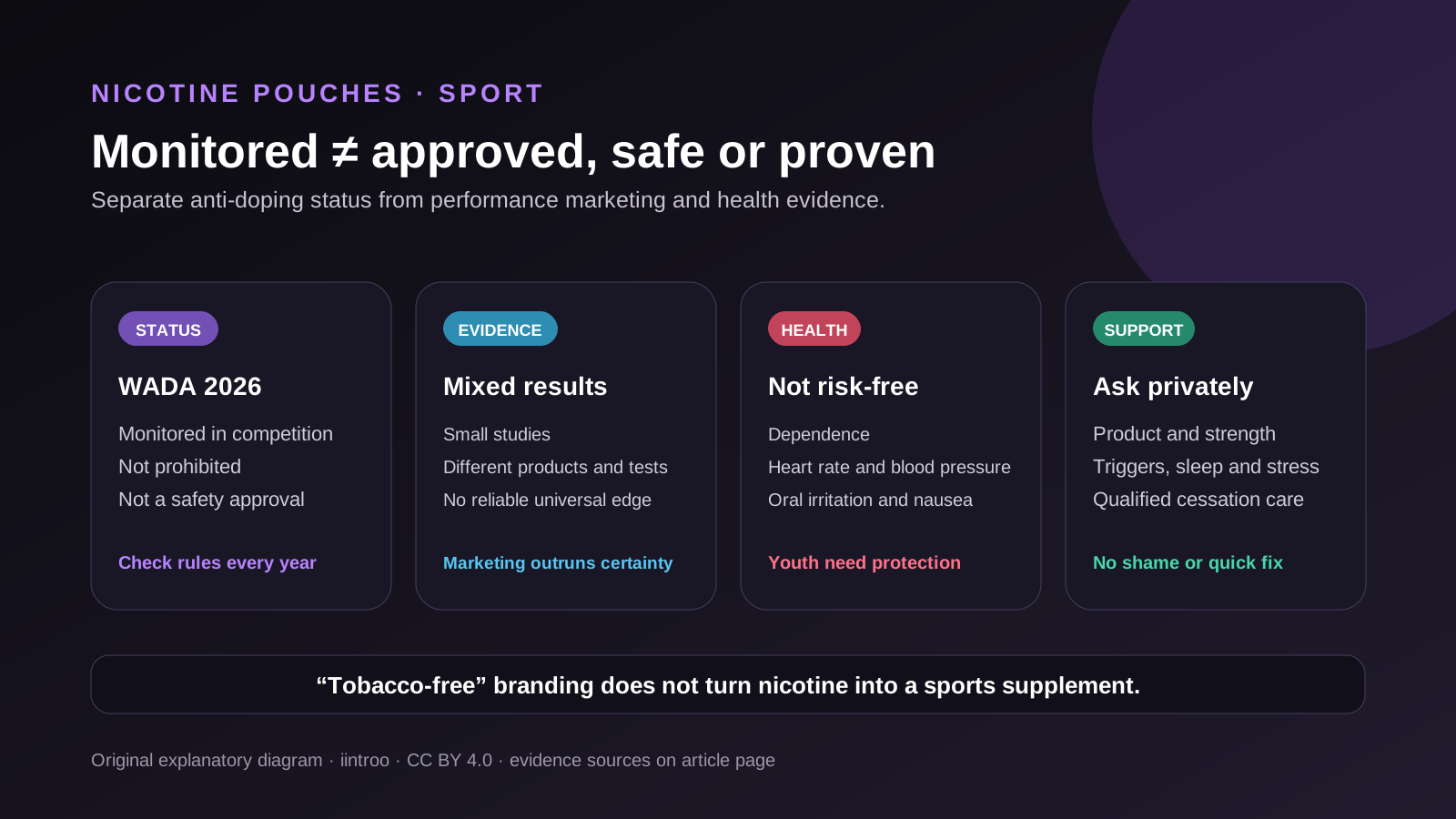
Nicotine is monitored by WADA in competition but is not prohibited in 2026. That status does not validate performance claims or remove addiction, cardiovascular and oral-health concerns.
Key points
- Nicotine is on WADA's 2026 in-competition Monitoring Program, which explicitly covers substances that are not on the Prohibited List.
- Small exercise studies report mixed outcomes and cannot establish nicotine pouches as a reliable or safe performance aid.
- Nicotine can cause dependence; youth, non-users and athletes under stress should not interpret tobacco-free branding or sports marketing as evidence of safety.
Read the anti-doping status precisely
This guide is for athletes, families, coaches, clinicians and clubs seeing nicotine pouches promoted for focus, calm or performance. WADA's 2026 Monitoring Program lists nicotine for in-competition monitoring. The program exists to detect patterns of use for substances not on the Prohibited List; monitoring is not a ban, approval, safety assessment or recommendation.
Rules can change each year and event or national law may add separate restrictions. Athletes should check the current WADA list and their anti-doping organisation rather than relying on packaging phrases such as 'WADA-tested' or 'clean'. A product's legal or anti-doping status does not establish a health benefit.
Performance findings are mixed and narrow
A systematic review of nicotine-naive participants found only one of six exercise-performance studies reported a clear endurance improvement; several studies found increased heart rate. The small trials used gum, patches or other smokeless delivery, not necessarily today's pouches, and differed in dose, participants and exercise tests.
In a double-blind crossover study of ten trained men, nicotine gum and a patch did not improve an approximately one-hour cycling time trial. Other small laboratory studies have reported selected cognitive or power effects, but a positive outcome in one test does not establish a repeatable competition advantage or a favourable risk-benefit balance.
Dependence can masquerade as a performance need
Nicotine is addictive. A dependent user may experience craving, irritability, anxiety, difficulty concentrating or other withdrawal effects, then interpret temporary relief after nicotine as a new performance boost. This cycle is different from evidence that nicotine improves an athlete beyond their usual non-dependent state.
The 2024 evidence review found that pouches can deliver nicotine levels sufficient for dependence and noted that much of the available research was industry-funded. Pouches may expose an established tobacco user to fewer toxicants if they switch completely from combustible products, but that harm-reduction question does not justify starting nicotine for sport.
Tobacco-free does not mean risk-free
WHO warns that nicotine pouches have strong youth appeal, may contain high nicotine levels and are promoted through social media and sport. Nicotine can acutely raise heart rate and blood pressure and can produce nausea, dizziness, headache or sleep disruption. Local mouth and gum irritation are also reported, while long-term pouch-specific evidence remains limited.
Children, adolescents, young adults and nicotine-naive athletes have no health reason to begin using pouches for a claimed edge. Keep products away from children and pets; accidental exposure can be dangerous. Severe symptoms, chest pain, fainting, marked palpitations, confusion or suspected poisoning needs urgent local medical or poison-service advice.
Support quitting without shame or a competition-week experiment
Athlete-focused marketing can link nicotine with toughness, stress control or belonging. Clubs can counter this with private, non-punitive screening and access to qualified cessation care. Ask about the product, frequency, strength, triggers, sleep, anxiety and other tobacco or nicotine use without turning disclosure into gossip or selection pressure.
A dependent athlete should not improvise a quit attempt or substitute products immediately before a major event without support. A clinician or recognised cessation service can help plan evidence-based treatment and monitor health. This article does not prescribe nicotine replacement, a taper, a product or an anti-doping decision.