
Hay fever in outdoor sport: allergic rhinitis and safer symptom control
Sneezing and blocked noses can disrupt outdoor sport. Explore current rhinitis guidance, pollen planning, medication alertness and symptoms needing assessment.
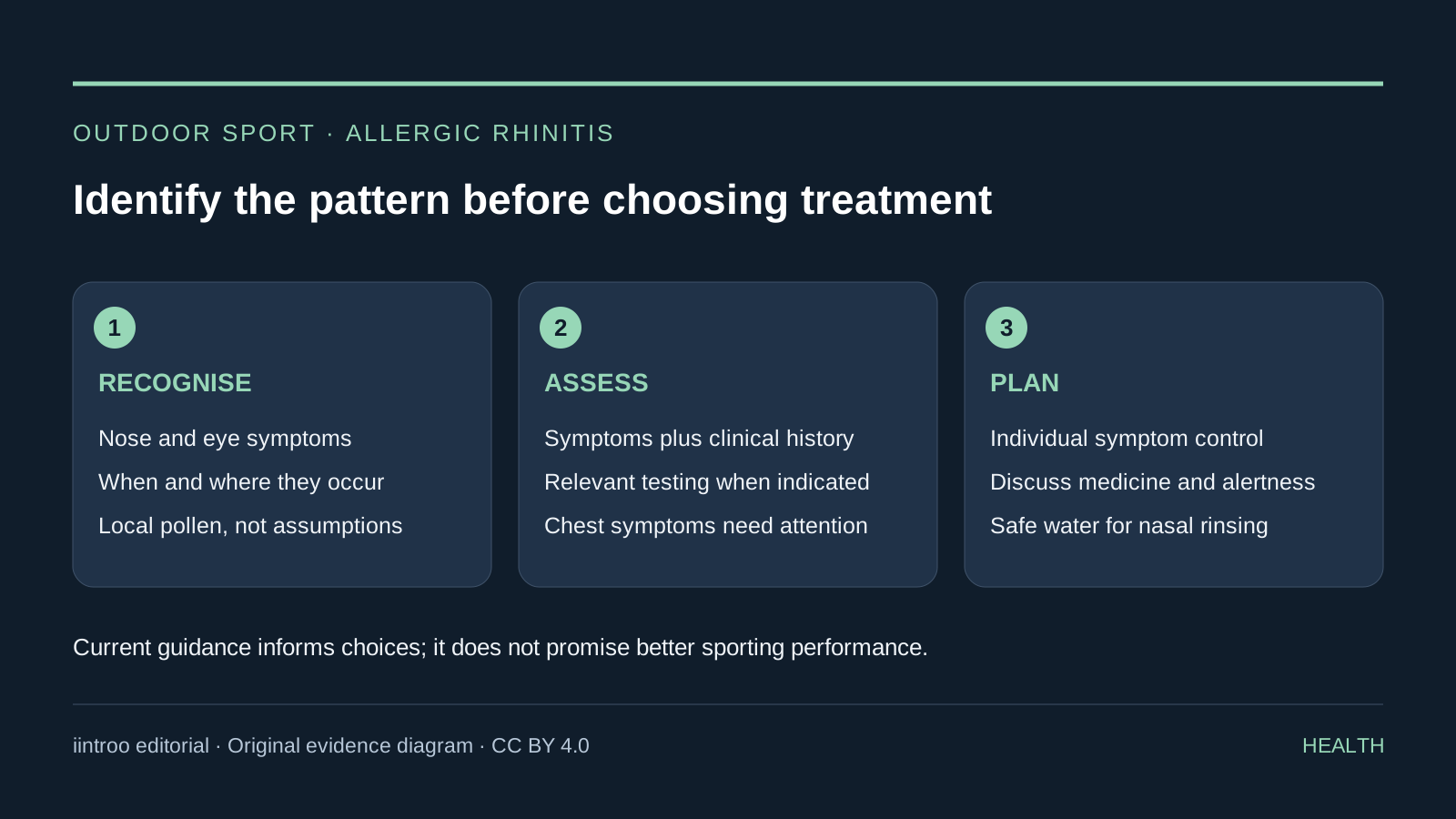
Key points
- Nasal symptoms, environmental exposure and relevant allergy testing must be interpreted together.
- A less-sedating medicine does not mean every person remains unaffected.
- Wheeze or chest tightness should not automatically be labelled hay fever.
A recurring pattern deserves attention
This guide is for runners, cyclists, field-sport participants and families whose outdoor sessions coincide with sneezing, an itchy or blocked nose, discharge or irritated eyes. These symptoms can fit allergic rhinitis, but exercise alone does not establish the diagnosis. Persistent problems deserve assessment rather than repeated guesses about a cold or poor fitness.
The EAACI sports position paper advises interpreting symptoms alongside their timing, environment and relevant sensitisation. A positive allergy test without a matching clinical history is not enough. Non-allergic nasal problems can look similar, and lower-airway or laryngeal disorders may coexist. Recording where symptoms occur gives a clinician more useful context than a single label.
Sources: 1
What an athlete study can and cannot tell us
A 2016 Irish cross-sectional study assessed 254 elite-amateur hurling and Gaelic-football players using a questionnaire and skin-prick testing. Forty-two players, or 16.5%, met its criteria for grass-pollen rhinoconjunctivitis. This shows why seasonal nasal and eye symptoms merit attention in outdoor team sport.
It is an older, selected Irish sample—not a worldwide prevalence estimate for every sport, age or climate. The study did not test whether a treatment improved race times or match performance. It therefore cannot support a promise that controlling hay fever automatically produces a competitive advantage.
Sources: 4
Nasal sprays have different purposes
The ARIA–EAACI guideline revision, published online in December 2025 and in a 2026 issue, evaluates nasal corticosteroids, nasal antihistamines and combinations. A pharmacist or clinician can help match an option to symptoms, age and circumstances, explain technique and agree when to reassess. This guide does not select a medicine or dose.
Decongestant sprays are not interchangeable with long-term symptom-control treatments. The guideline suggests against their use beyond five days because of potential harms, including rebound congestion. That is a conditional recommendation with very-low-certainty evidence, not a reason to improvise repeated short courses whenever training feels uncomfortable.
Sources: 2
Alertness is part of treatment choice
The March 2026 oral and ocular treatment guideline prefers second-generation oral antihistamines over older first-generation medicines, particularly because of sedation concerns. It also emphasises differences between individual products, affordability, availability and patient preferences. Less sedating is not the same as guaranteed freedom from drowsiness.
Ask a pharmacist how a proposed medicine could affect alertness before road cycling, navigating trails or other safety-sensitive activity. General rhinitis recommendations are not athlete-specific performance trials. Some comparisons, including those involving older antihistamines, have very-low-certainty evidence; the strength of a recommendation and the certainty of its supporting evidence are different things.
Sources: 3
Make exposure planning local
Use local pollen information rather than assuming the season at home applies to a training camp. Türkiye, northern Europe and southern-hemisphere destinations have different plants and seasonal patterns. A symptom diary alongside the location and conditions can help make a clinical discussion more concrete.
Public guidance supports wraparound sunglasses, changing clothes and showering after exposure, and avoiding smoke. Adjusting a session's setting when symptoms and exposure align is a practical planning inference, not a proven performance intervention. If pharmacy treatment is ineffective or symptoms worsen, seek medical advice. Specialist options such as immunotherapy require assessment and are not an immediate competition-day fix.
Sources: 5
Rinses need safe water; chest symptoms need their own assessment
If saline nasal rinsing is part of an agreed plan, use distilled, sterile or previously boiled-and-cooled water, following product and public-health instructions. Untreated tap water is not appropriate for nasal rinsing. This infection-prevention precaution does not itself prove a sporting benefit.
Wheeze, chest tightness, unexplained breathlessness or noisy inspiration should not simply be attributed to a blocked nose. Discuss these symptoms separately with a clinician; severe breathing difficulty needs urgent help. Good symptom control begins with identifying the problem, not borrowing a teammate's medication.