
Para athlete mental health: make support accessible and confidential
Para athletes share the pressures of high-performance sport and may face added access, classification and stigma stressors. Support must fit the person.
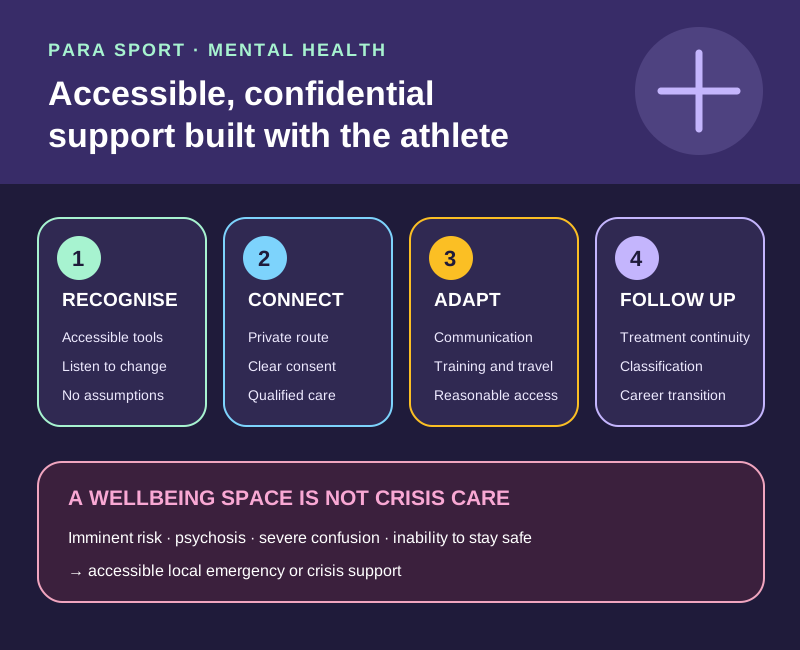
Key points
- Para athletes can experience the same mental-health concerns as other athletes while also facing disability stigma, inaccessible services, classification stress and uneven support.
- Screening is not diagnosis: it is useful only when communication is accessible, privacy is clear and qualified follow-up is available.
- Reasonable accommodations should be agreed with the athlete and should support care without automatically excluding them from training or competition.
Start with the athlete, not a stereotype
This guide is for Para athletes, coaches, classifiers, families, medical teams and sport organisations. Sport can support purpose, identity and belonging, while high-performance demands can also contribute to stress, anxiety, low mood, sleep difficulty, disordered eating, trauma symptoms, substance problems or burnout. Disability does not make an athlete psychologically fragile or automatically resilient.
The 2026 IOC consensus identifies elite Para athletes as relatively understudied. Potential additional stressors include classification, inaccessible travel or venues, the cost of equipment, pain or other health conditions, disability stigma, interpersonal violence and the 'superhuman' media narrative. Which factors matter must be asked, not assumed from a diagnosis or impairment.
Make recognition and communication accessible
The IPC points athletes and entourages to the IOC Sport Mental Health Recognition Tool as a way to notice concerning changes, not to make a diagnosis. Communication may need sign-language interpretation, easy-read language, screen-reader compatibility, more time, a support person chosen by the athlete or a quiet sensory environment. Accessibility is part of clinical quality, not an optional extra.
A 124-week German cohort collected repeated brief screens from 122 elite Para athletes and followed positive results with a sports psychiatrist. Almost half screened positive at least once, but the study was one national elite cohort using a brief symptom tool; it does not establish a universal prevalence or validate the same process for every impairment and culture.
Connect screening to confidential qualified care
Before asking athletes to disclose symptoms, explain who sees the information, what stays confidential, the limits of confidentiality and how referrals work. A coach or classifier should not be the sole gatekeeper. The IPC Medical Code emphasises consent, confidentiality and privacy in relationships with healthcare professionals.
Across athlete studies, formal help-seeking has been limited and highly variable; reported barriers include stigma, fear of deselection, unclear confidentiality and low awareness. A screening form without timely follow-up can create false reassurance or expose sensitive information. Offer routes independent of selection and performance management wherever possible.
Adjust the environment as well as the individual
Support can include psychotherapy, medication when clinically appropriate, peer support, sleep or pain care, safeguarding, financial or travel help, communication access and changes to training. The athlete and qualified clinician should decide what fits. Reasonable accommodations may allow safe continued participation; mental-health care should not be treated as automatic disqualification.
The SHAPE qualitative evaluation involved only 18 athletes, coaches and stakeholders, but participants valued Para-specific health information and described a need for individualised content, peer support and stronger medical and economic structures. That small study supports co-design and follow-through rather than a one-size-fits-all campaign.
Plan for crisis and transition
Every programme should publish an accessible emergency pathway for imminent risk of self-harm, harm to others, psychosis, severe confusion or inability to stay safe. Use local emergency or crisis services and do not leave the person alone when immediate safety is uncertain. A wellbeing space or breathing exercise is not a substitute for emergency assessment.
Classification change, injury, major events and retirement can disrupt identity, income, routine and care. Begin transition planning before access to team services ends, name who will continue prescriptions and therapy, and offer follow-up in formats the athlete can use. This page provides education, not diagnosis or an individual treatment plan.