
Recovery boots after exercise: small soreness effects, uncertain performance gains
Intermittent pneumatic compression may slightly change soreness, but trials do not show a reliable performance-recovery shortcut. Check device safety first.
Key points
- A meta-analysis of 17 small studies found at most small effects on muscle function and variable effects on soreness and biomarkers; protocols and populations differed.
- A 2026 placebo-controlled trial in 23 elite under-19 male footballers found no superior recovery after one high-pressure session.
- Recovery boots are medical devices with model-specific instructions and exclusions. New one-sided swelling, severe pain, breathlessness or chest pain needs medical assessment, not compression.
What the boots do—and what that does not prove
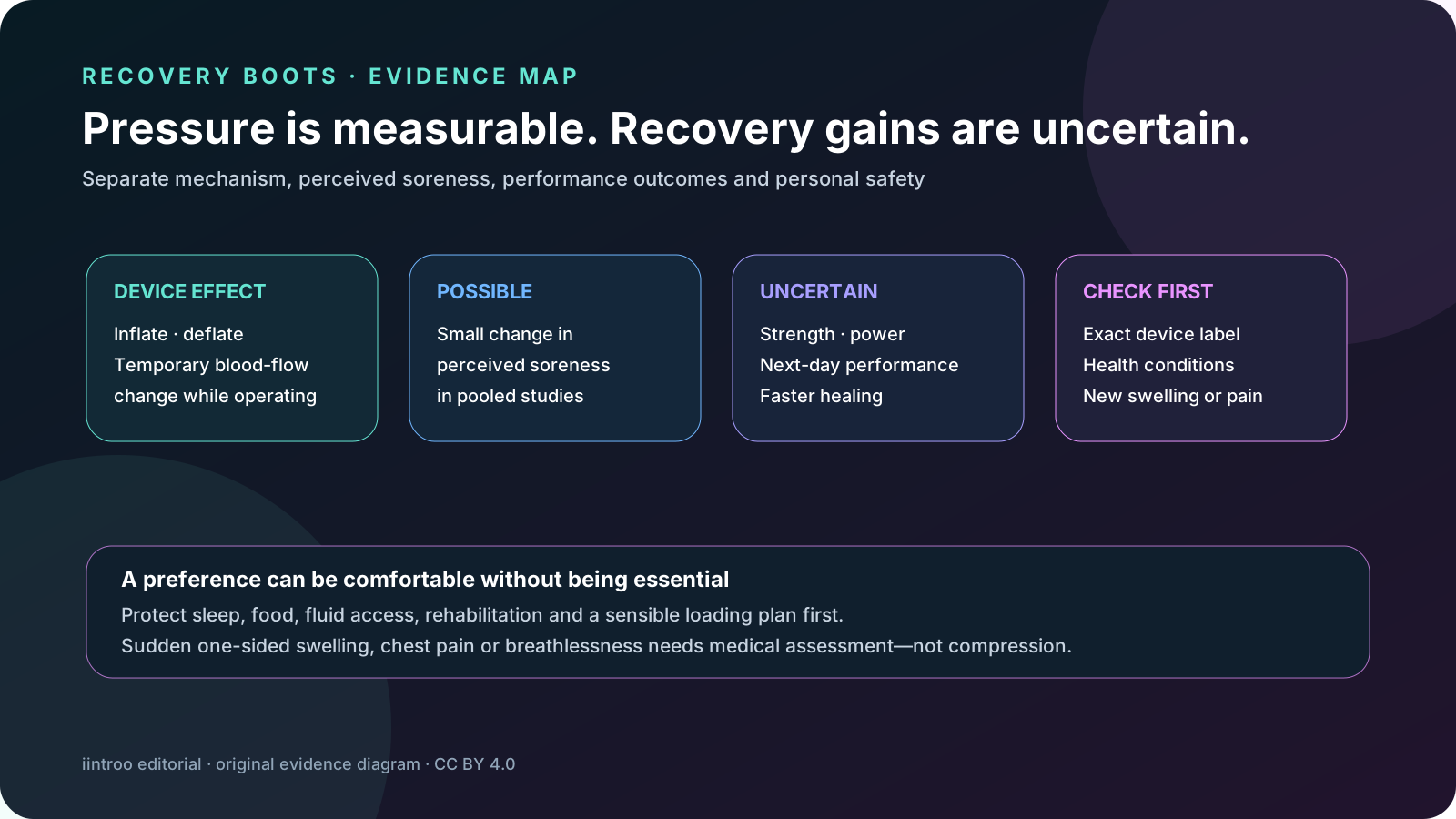
Intermittent pneumatic compression boots contain chambers that inflate and deflate around a limb. A small randomised crossover study in 22 athletes found that blood-flow velocity changed while the device was operating and returned close to baseline shortly afterwards. A temporary haemodynamic effect is not proof of faster tissue repair, better next-day performance or injury prevention.
Medical-device indications and safety information apply to the exact model and setting. A product cleared for circulation or swelling indications is not automatically proven to improve sports recovery. Read the current instructions, use only intact equipment and do not borrow a pressure or duration from a different device or research protocol.
The pooled effect is modest and uncertain
A systematic review and meta-analysis included 17 studies and 319 physically active adults or athletes. It reported trivial-to-small effects favouring compression for muscle function, trivial-to-moderate effects for pain or soreness and highly variable effects on muscle-damage markers. Most studies were small, and protocols differed in pressure, duration, exercise and follow-up.
The review found that 20–30 minute sessions around 80 mmHg were commonly studied, but common is not the same as optimal or safe for everyone. The authors described the evidence base as early and called for larger studies, consistent outcome timing and better placebo control. The pooled result should not be converted into a guaranteed percentage recovery gain.
Sources: 1
Newer placebo-controlled evidence remains cautious
A 2026 trial used 42 match observations from 23 international-level under-19 male footballers. One 30-minute high-pressure session did not improve jump, muscle-fatigue, creatine-kinase, fatigue or soreness outcomes versus placebo through 48 hours. Its small, male, youth-football sample and single-session design limit generalisation, but the result challenges strong marketing claims.
A separate randomised trial after eccentric exercise found no advantage for intermittent pneumatic compression over placebo in strength, pain or joint motion, while another 30-person study reported some differences among pneumatic, static-compression and control conditions. Different devices, pressures and laboratory exercises help explain why one result should not be treated as universal.
Screen safety before chasing a recovery score
Follow the manufacturer's contraindications and ask an appropriately qualified clinician when there is vascular disease, a history or concern for blood clots, significant heart or circulation problems, active infection, open wounds, unexplained swelling, altered sensation or recent surgery. The exact decision depends on the person and device; this article does not clear anyone to use compression.
Stop if compression causes increasing pain, numbness, colour change, breathing difficulty or other concerning symptoms. Sudden one-sided leg swelling or pain, chest pain, fainting or breathlessness needs urgent medical assessment because compression is not a diagnostic test or treatment plan for a suspected clot or cardiopulmonary emergency.
Place the device below the recovery basics
Start by defining the next demand: another match, a normal training day or recovery from unusually damaging exercise. Protect adequate sleep opportunity, food and fluid access, medically appropriate rehabilitation and a sensible loading plan. A comfortable session can be a preference without being described as necessary or performance enhancing.
If a team uses boots, record the device, pressure, duration, timing and athlete response, and avoid displacing higher-priority recovery or care. Perceived soreness and objective readiness are different outcomes. This evidence review does not recommend a protocol, treat an injury or promise faster return to sport.