
Ramadan fasting in sport: plan training, hydration and sleep as one system
Dawn-to-sunset fasting changes the windows for food, fluid and sleep. A workable sports plan coordinates all three, respects the athlete's observance and avoids universal intake or training prescriptions.
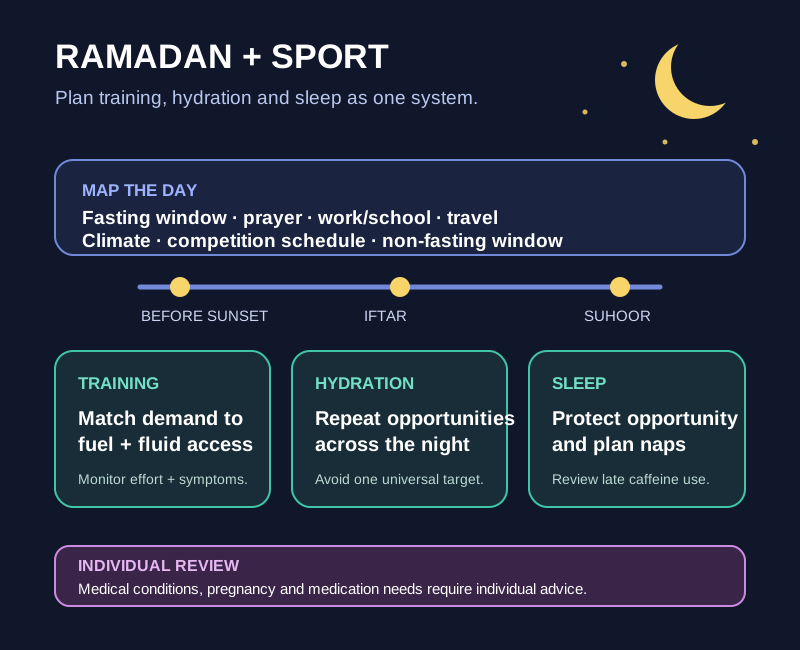
Key points
- Training timing cannot be planned separately from the athlete's opportunities to drink, eat and sleep.
- An overview found the underlying systematic reviews were mostly low or critically low quality, so group averages are not personal predictions.
- Athletes with chronic illness, pregnancy or medication needs require condition-specific medical advice before changing fasting or training plans.
Start with the athlete's observance and daily timetable
This guide is for healthy athletes who observe Ramadan, their coaches and support teams. Dawn-to-sunset fasting changes when food and fluid are available, while prayer, work, school, travel and competition can also reshape sleep. Begin with a private conversation about the athlete's plan and priorities. Do not assume that every Muslim athlete fasts in the same way or wants a coach to make a religious decision for them.
Map the local fasting duration, climate, training venues, match times, transport, non-fasting window and opportunities for sleep. The same session can have different implications before sunset, soon after breaking the fast or later at night. Aspetar's guideline addresses healthy individuals; it is not clearance for an athlete with a medical condition.
Coordinate load with access to fluid and food
Low-to-moderate sessions may be easier to place during fasting hours than repeated high-intensity work, especially in heat, but there is no single best time for every sport or athlete. When a demanding session can move into the non-fasting window, food and fluid can be available around it. When competition timing cannot change, the team can review intensity, duration, recovery and environmental exposure rather than pretending the normal plan is unchanged.
Use ordinary training observations—effort, technical quality, concentration, symptoms and recovery—alongside the planned workload. A reduction in performance during one session does not diagnose dehydration or low blood glucose. Persistent deterioration, illness or concerning symptoms needs professional assessment.
Rehydrate across the available window, not in one rush
Plan repeated opportunities to drink between sunset and dawn, with meals and familiar foods supporting replacement of fluid and electrolytes. The amount depends on body size, sweat loss, environment, training and medical factors. A universal litre target can be too little for one athlete and inappropriate for another. Avoid both deliberate dehydration and forcing excessive fluid quickly.
Urine colour, thirst and body-mass change can contribute context but are imperfect on their own. Severe dizziness, fainting, confusion, chest pain, inability to keep fluid down or rapidly worsening illness requires urgent medical attention through local services. The athlete should not be pressured to continue because teammates appear unaffected.
Protect sleep opportunity as part of the programme
Evening meals, prayer, late training and an early pre-dawn meal can fragment sleep. Protect a realistic sleep window, consider a planned nap where appropriate and avoid scheduling optional meetings inside the athlete's limited recovery time. Review caffeine timing because using it late to support training may further delay sleep.
A 2024 overview reported associations with shorter sleep, fatigue and poorer high-intensity test performance, but the 14 included reviews were rated low to critically low in methodological quality. A 2025 sleep meta-analysis also combined varied populations and measures. These results justify planning and monitoring, not a claim that every fasting athlete will decline.
Escalate individual health questions early
Athletes who are pregnant, have diabetes, kidney or cardiovascular disease, an eating disorder, recurrent fainting, or medication and fluid needs should seek advice from a qualified clinician familiar with the condition and, when possible, sport. The discussion may include religiously acceptable options chosen by the athlete with trusted advisers, but a coach should not prescribe a medical or religious exemption.
Document the agreed communication plan, who can modify training and how symptoms will be reported confidentially. Revisit it as daylight duration, travel, competition and the athlete's response change. The goal is a respectful, workable system—not proof that one schedule, meal pattern or supplement fits everyone.