
Triathlon bone health: swim-bike-run does not load every bone equally
Triathlon combines high energy demand with two low-impact disciplines. Protect bone health through adequate fuelling, planned strength and impact exposure, and early assessment of focal pain.
Key points
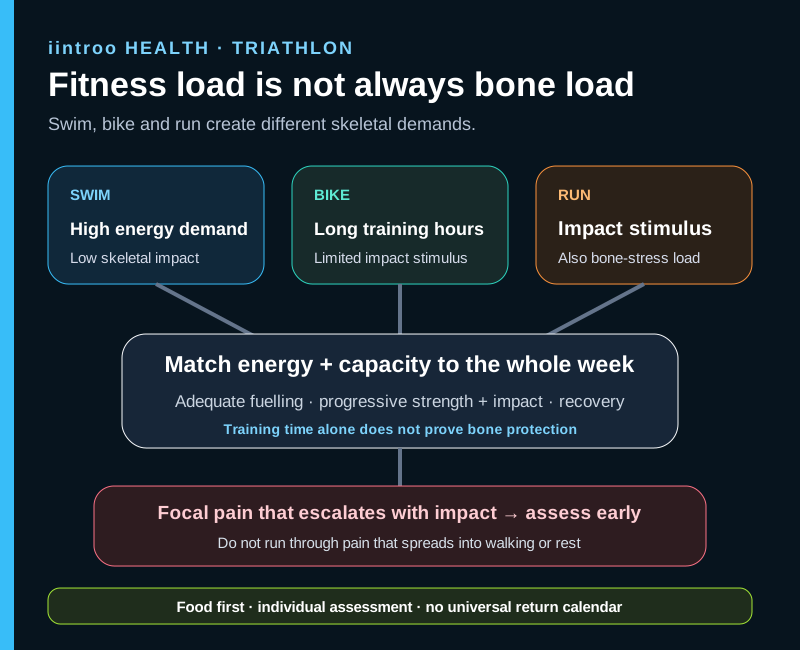
- Swimming and cycling build fitness with little skeletal impact, while running adds impact but also bone-stress load; total training volume does not automatically equal a bone-building programme.
- Low energy availability can affect athletes of any sex and is linked with adverse bone outcomes, but triathlon-specific studies are small and cannot diagnose an individual.
- Persistent focal bone pain, pain with hopping or pain that progresses toward walking or rest needs early clinical assessment rather than training through a presumed muscle problem.
Separate cardiovascular fitness from skeletal loading
This guide is for triathletes, coaches and health teams. Swimming and cycling can deliver large cardiovascular and muscular workloads without the ground-reaction impacts of running and jumping. Running supplies impact, but repeated mileage is also where local bone stress can accumulate. A high weekly training time therefore does not show that every skeletal site has received an appropriate bone-building stimulus.
Bone health is influenced by age, sex hormones, previous loading, energy availability, nutrition, genetics, medication and injury history. The balance differs between a growing junior, a new adult triathlete, an elite long-course athlete and a masters competitor. Do not infer bone strength from finish time, body size or training volume.
Make fuelling part of the bone plan
Problematic low energy availability occurs when dietary energy is insufficient for training plus normal body function. The IOC REDs framework applies to athletes of all sexes and links low energy availability with possible effects across bone, endocrine, immune, cardiovascular and psychological health. Menstrual change can be one clue for some athletes, but its absence does not exclude risk and hormonal contraception can complicate interpretation.
A small cross-sectional study of female long-distance triathletes found less favourable exercise-associated bone findings in those classified with low energy availability, but it included only 23 athletes and cannot establish a universal threshold or cause. Use it as a reason to assess the whole picture, not to calculate a diagnosis from a food app.
Add capacity without stacking hidden load
Progressive resistance training and appropriate multidirectional or impact exercise can complement swim-bike-run preparation, but the dose must fit the athlete's current training and bone history. Adding jumps or heavy lifting on top of an already overloaded week is not protective. A qualified coach or clinician can help place new work where recovery and technique can be maintained.
Count rehabilitation, gym sessions, brick workouts, commuting, races and sudden surface or footwear changes. Adolescents need particular care during growth, while masters athletes may need review of menopause, age-related bone loss, medication and falls risk. Food-first planning should support total energy and nutrient needs; supplements are not a substitute for assessment.
Recognise a possible bone stress injury early
Focal pain that becomes more reproducible with running, hopping or direct loading deserves attention, especially if it starts earlier in sessions or progresses to walking, night or rest pain. Swelling, a recent increase in load, recurrent injuries, menstrual or hormonal change, unintentional weight change, persistent fatigue or declining recovery add context but do not identify the injured bone.
Stop impact and seek prompt clinical assessment when bone stress injury is suspected. Some locations carry greater complication risk and imaging decisions depend on the site, history and examination. Inability to bear weight, deformity, severe pain or acute neurovascular symptoms requires urgent care.
Return by function and site, not a race deadline
Management may involve protecting the bone, correcting energy or nutrient deficits, reviewing training and treating endocrine or other medical contributors. The progression back to impact depends on diagnosis, location, healing and the athlete's function. Swimming or cycling is not automatically safe cross-training if it loads the painful site or preserves the energy deficit.
World Triathlon recommends periodic health evaluation and pre-participation examination. Use that contact to review previous fractures, current symptoms, fuelling, menstrual or hormonal health where relevant, medication and family history. This article does not diagnose REDs, prescribe supplements or provide a universal return timetable.