
Multi-sport · International
Canadian athlete survey links psychological abuse with poorer well-being indicators
A national-team survey examines safeguarding through athlete reports and statistical associations.
Study publication:
What the January paper found
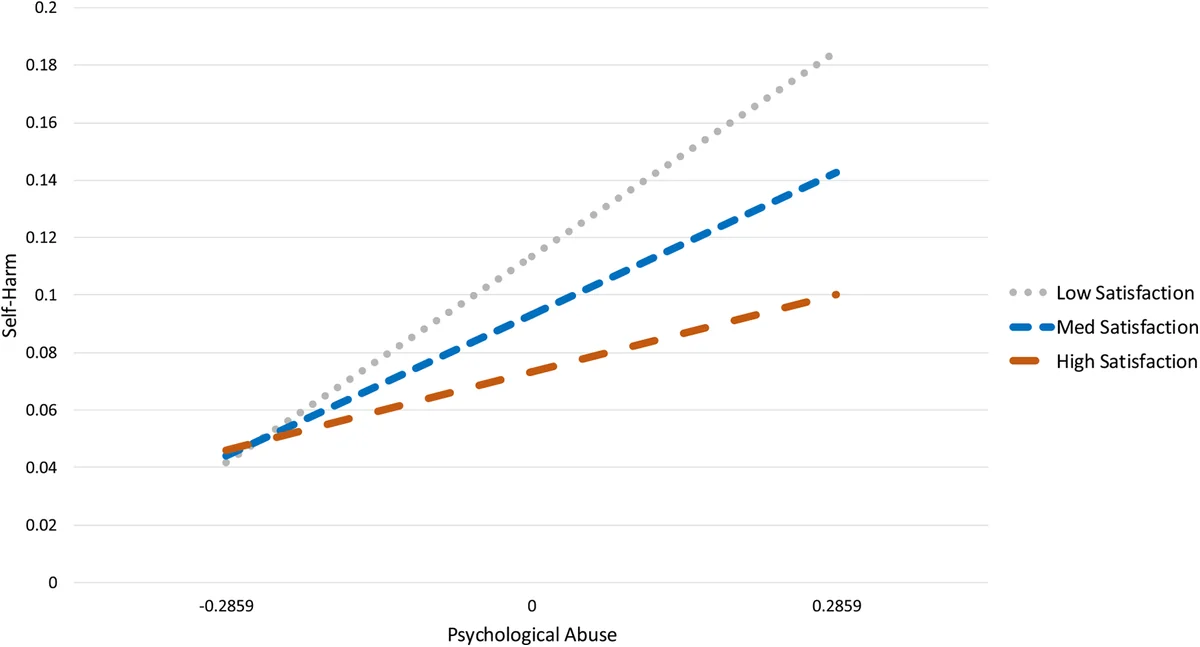
Published 10 January, the paper analysed survey responses from 794 Canadian national-team athletes; moderation models used 792 cases. Greater reported psychological abuse correlated with lower athlete satisfaction and higher eating-disorder and self-harm indicators. Associations differed across outcomes and sporting groups. Self-reported indicators are not clinical diagnoses. The observational design cannot establish that satisfaction protects an athlete or that abuse caused a particular outcome. Selection, recall and measurement limitations matter. Findings concern earlier reported experiences, rather than January incidents. They do not make harmful conduct acceptable when an athlete reports satisfaction.
Safeguarding has an organisational dimension
The IOC's 2016 consensus on harassment and abuse places athlete health within the relationships and cultures of sport. It covers psychological, physical and sexual abuse and neglect, rather than reducing safeguarding to a single category. The authors describe power differences, secrecy and deference as factors that can enable harm. They also discuss the responsibilities of organisations, including policies, education, reporting and support. That framework helps explain why an athlete satisfaction score is an incomplete test of a sporting environment. Enjoying performance, valuing teammates or wanting to remain selected can coexist with harmful experiences. A monitoring system therefore needs a clear account of conduct and access to support, alongside questions about satisfaction. This is an interpretation of the consensus framework, not a claim that one questionnaire identifies every case. The statement also addresses athletes with disabilities and other groups whose experiences may be overlooked. An organisation's reputation is consequently a poor substitute for examining how people are treated and how concerns are handled.
A code and a research measure serve different roles
Canada's published safety and integrity framework identifies the Universal Code of Conduct to Prevent and Address Maltreatment in Sport as a foundation for defining prohibited behaviours and responding to concerns. The code was developed through consultation with sport stakeholders and an expert working group. This provides a policy context for research into athletes' experiences: a statistical association measures a pattern, while a conduct framework identifies responsibilities and processes. The two can inform each other without becoming interchangeable. For example, a survey may suggest questions that deserve investigation, but it does not determine the outcome of a particular complaint. Conversely, a reporting system can exist without demonstrating that every participant feels able to use it. Readers assessing a sporting organisation can distinguish the written standard, the route for raising concerns and evidence about participants' experiences. These are separate sources of information. The government framework also describes cooperation across sport and public institutions. That breadth underscores that safeguarding is a continuing organisational task, rather than an outcome settled by one published study or satisfaction measure.
This research report is for education and professional discussion. Personal diagnosis, treatment and return-to-sport decisions require a qualified clinician.
Original sources
Read the underlying records.
Explore the official results, organiser reports or original research behind this story.