
Para sport · International
Female para-athlete study finds distinct regional body-composition patterns
A matched comparison examines why broader athlete reference groups may miss relevant variation.
Study publication:
What the January paper found
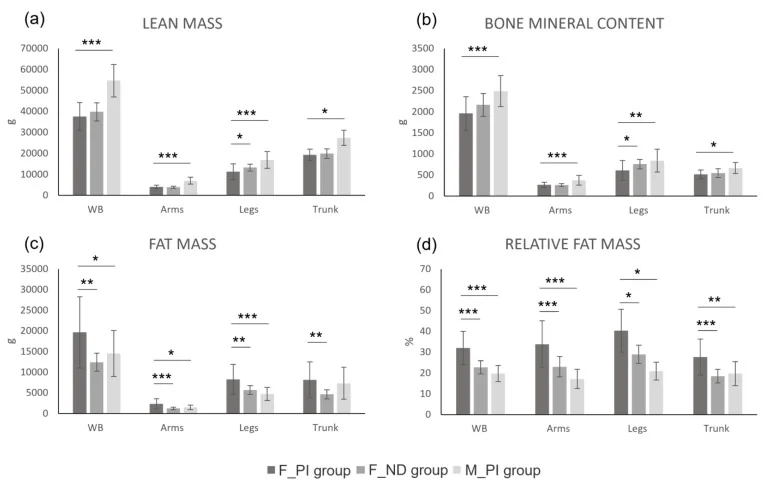
Published 28 January, the study compared 20 female athletes with physical impairments, 20 age-matched female athletes without impairments and 20 male athletes with comparable impairments. DXA measured regional fat, lean tissue and bone mineral content. Patterns differed by sex and impairment, including lower-body measurements. The small, varied sample and unmeasured dietary, metabolic and menstrual factors limit interpretation. These associations neither define ideal composition nor prescribe training or diet. This underrepresented sample does not establish universal para-athlete reference values.
DXA measures require consistent acquisition and reporting
The International Society for Clinical Densitometry's published positions on body-composition assessment set out indications, acquisition considerations and reporting principles for DXA. They address precision and the interpretation of measured change, alongside the need for appropriate reference information. This helps explain why a scan result needs context. A measured quantity is tied to the device, procedure and analysis; it is not a self-interpreting judgement about an athlete's health or performance. When repeated measurements are compared, the expected precision matters because a small difference can reflect measurement variation. When groups are compared, the population represented by reference data matters. The positions supply a framework for reporting and evaluating measurements, not a sporting selection rule. Applied to research involving impairments, the useful question is whether the acquisition and interpretation account for the people being measured. That is distinct from assuming that a reference group describes everyone equally well. Consistency makes results more comparable while explicit limits help prevent a body-composition measure from becoming an unsupported target for an individual athlete.
Regional analysis depends on how regions are defined
A 2015 study of segmental DXA analysis examined positioning and regional boundaries in 46 football athletes. It considered how standardised acquisition and analysis could support measurements of limb and trunk composition. The methodological relevance lies in the regions themselves: a whole-body total and a leg-specific measure answer different questions, and boundaries need to be applied consistently. This earlier athletic sample is not a replacement reference group for female para athletes. It illustrates why the procedure used to obtain regional measurements must be reported before comparisons are interpreted. Positioning, repeatability and the treatment of anatomical landmarks are part of the evidence, rather than merely technical details outside the result. For readers, separating acquisition from interpretation makes clear which differences might reflect the measured tissues and which require scrutiny of the method. It also leaves room for population-specific work where standard positioning or region definitions are harder to apply. The value of regional measurement is therefore strongest when its purpose, method and uncertainty are visible, rather than when a single number is presented as a complete description of an athlete.
This research report is for education and professional discussion. Personal diagnosis, treatment and return-to-sport decisions require a qualified clinician.
Original sources
Read the underlying records.
Explore the official results, organiser reports or original research behind this story.