
Multi-sport · International
Pacific athlete education study examines how participants experience support beyond competition
A January paper reports athletes' perceptions of the Voices of Athletes programme using data collected at Samoa 2019.
Study publication:
What the researchers evaluated
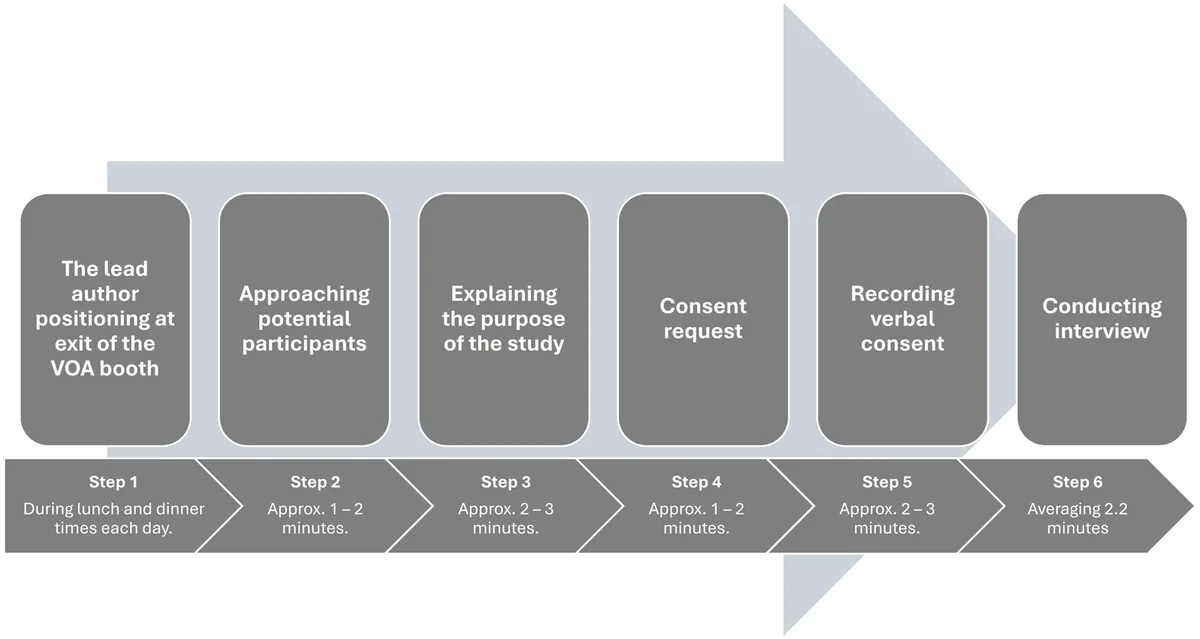
Published on 7 January, the paper investigated athletes' experiences of the Voices of Athletes programme at Samoa's 2019 Pacific Games. It combined 414 questionnaires with 104 interviews. Many respondents had initially been unfamiliar with the programme; familiarity was associated with interest in learning more. Participants described positive experiences and perceived benefits. These findings concern reception and engagement, rather than demonstrated lasting health improvement. The programme was not launched in January 2025, and findings cannot represent every Pacific athlete or community. The study adds participants' accounts to research on regional athlete support.
A regional programme with several purposes
ONOC's own account of the programme, published in 2022, describes interactive activities addressing health, clean sport, environmental issues and leadership. It also describes an athlete-representation function connected to the Pacific Games Council. That breadth helps explain why an evaluation needs more than one outcome. An athlete might gain awareness of an issue, enjoy a session, become interested in future learning or use a representation platform; those are distinct forms of engagement. A programme serving all these purposes cannot be judged solely by a sporting performance measure. Equally, an organiser's description of its goals is different from independent evidence that those goals were achieved. The older ONOC account supplies context for the January publication and should be read with its own date visible. It does not establish the content of a new 2025 edition. For future evaluation, the meaningful task is to define which aspect of the programme is being assessed and which participants' experiences the evidence actually represents, then measure change against that stated purpose.
What interviews can establish
COREQ, the canonical reporting framework for interviews and focus groups, groups its criteria around the research team, study design, and analysis and reporting. It asks researchers to make the setting, participant selection, recording process and development of themes transparent. Those details matter when a programme is evaluated through people's accounts: the circumstances of an interview can shape what is said, and a theme needs a clear connection to the evidence behind it. An interview can reveal reasons, priorities and experiences that a numeric survey misses. It does not, by itself, supply a population-wide prevalence estimate or isolate a programme's causal effect. For readers, this means asking which questions were asked, whose views were heard and how the researchers arrived at their interpretation. A later study could investigate sustained engagement or specific outcomes over time, using a design chosen for that question. Distinguishing experience, intention and demonstrated change helps keep an evaluation's conclusions proportionate to its method, while preserving the useful detail that participants' perspectives can contribute to programme research.
This research report is for education and professional discussion. Personal diagnosis, treatment and return-to-sport decisions require a qualified clinician.
Original sources
Read the underlying records.
Explore the official results, organiser reports or original research behind this story.