
Multi-sport · National
Independent athlete survey tests the limits of a supplement-behaviour screener
The S3 study assessed reported use of independently tested products, rather than testing the products themselves.
Study publication:
What was validated
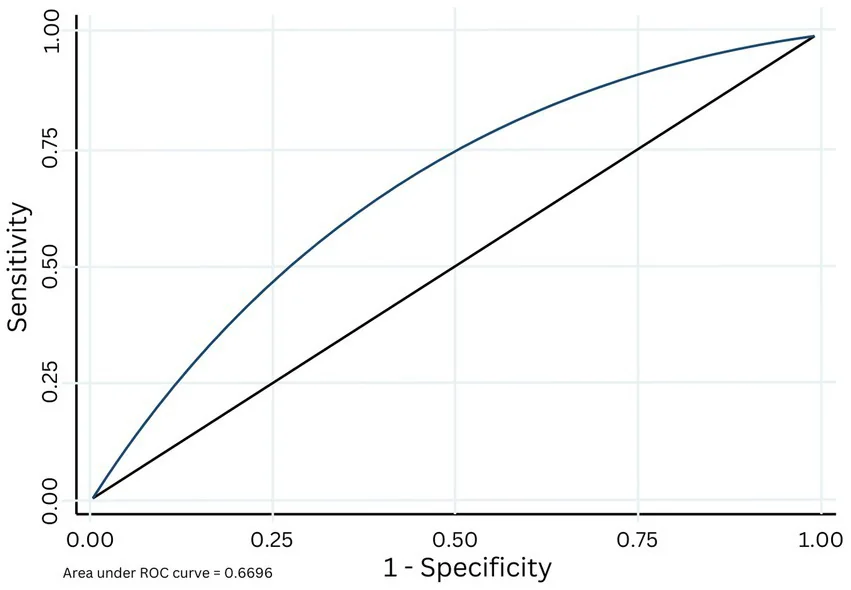
Published on 15 January, the study applied an existing supplement-behaviour algorithm to an independent NCAA Division I survey. Analysis included 662 supplement users from eight athletic departments in one conference. The original model's area under the receiver-operating-characteristic curve was 0.67, showing limited discrimination. Researchers explored additional predictors for future models. This evaluates a behavioural questionnaire, rather than supplement contents or a clinical diagnosis. Self-reported responses and the sampling frame limit generalisation; exploratory additions need new-data evaluation. It does not show that using the screener reduces doping violations or makes products safe.
Labels and regulatory review are different
The FDA's consumer guidance explains that dietary supplements are regulated differently from medicines. Manufacturers are responsible for safety and accurate labelling, while the agency does not approve these products or their labels before they are sold. The guidance also distinguishes the required Supplement Facts information from the evidence needed to establish a health claim. In this setting, familiarity with a label is a form of knowledge, not direct evidence of the bottle's contents or an ingredient's benefit. This is why a behaviour survey and a product investigation must remain separate. A questionnaire can ask where athletes buy products or what information they recognise. It cannot replace analytical testing, evaluate every ingredient in an individual product, or establish whether that product delivers the advertised sporting outcome. Those questions require different evidence. For a behaviour screener, the outcome must be defined clearly enough for independent evaluation. FDA guidance supplies the broader regulatory context, without converting a model score into regulatory approval.
Certification reduces risk without eliminating it
USADA's guidance describes third-party certification as a risk-reduction step for athletes who choose to use supplements. It explicitly says that a testing programme cannot examine every possible prohibited substance and that USADA does not approve or evaluate supplement products. That boundary is central to interpreting research about consistent use of tested products. Classification as a lower-risk purchaser is not a guarantee of a clean anti-doping test, nor a judgement that a supplement is necessary or effective. A support programme could investigate whether education improves verified purchasing practices, but it would need to measure that outcome directly. Likewise, an algorithm's accuracy depends on the population, question wording and definition of the behaviour being predicted. The useful question for future research is whether the screen identifies an education need reliably enough to help appropriate professionals respond. A model should keep that distinction visible in its intended use. It should not be presented as an endorsement of brands, a certification service, or an individual medical recommendation.
This research report is for education and professional discussion. Personal diagnosis, treatment and return-to-sport decisions require a qualified clinician.
Original sources
Read the underlying records.
Explore the official results, organiser reports or original research behind this story.