
Wheelchair rugby · International
Wheelchair rugby study compares activity limits across impairment groups
Standardised tasks provide evidence for a classification question affecting inclusion.
Study publication:
What the January paper found
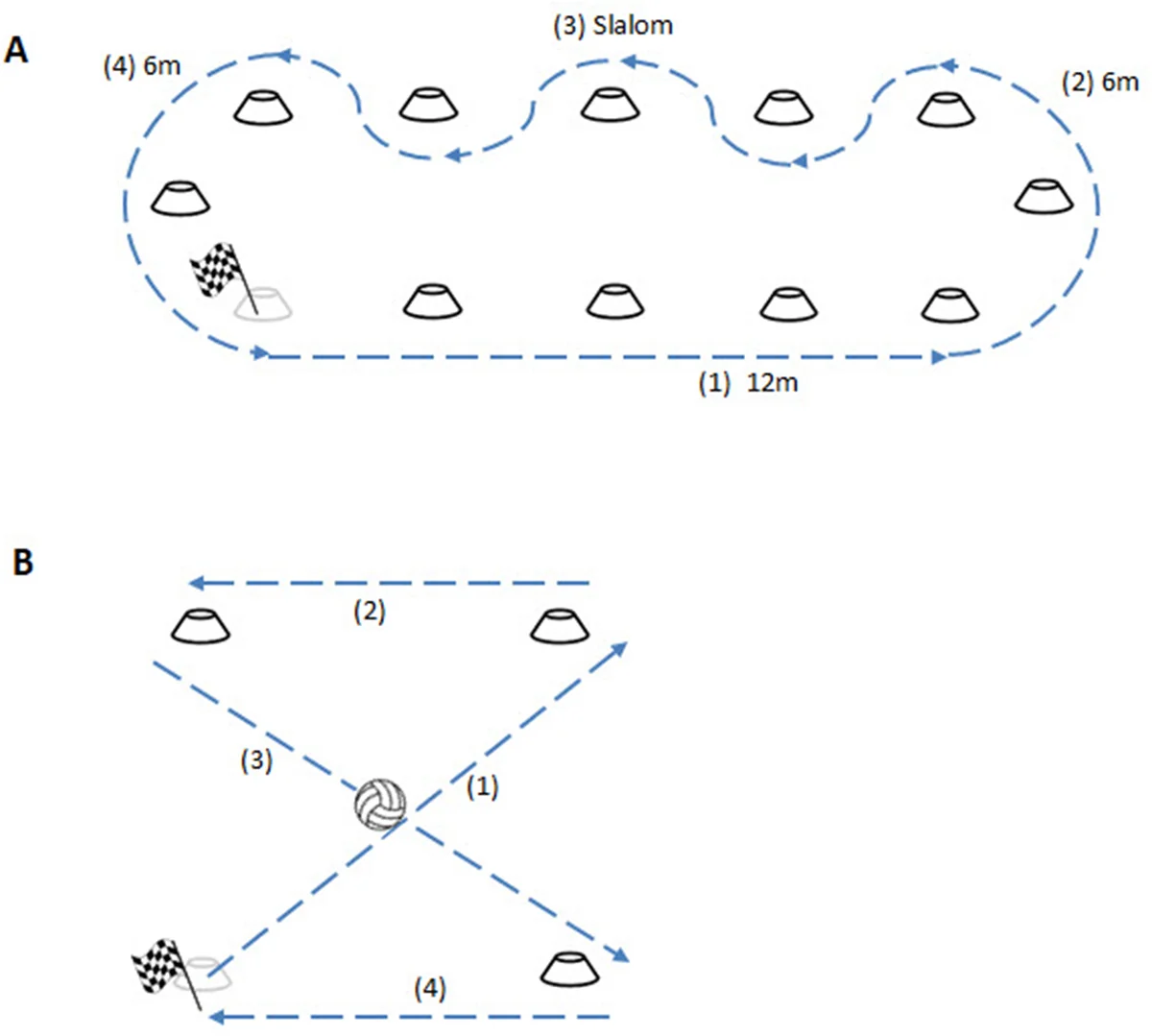
Published 14 January, this study assessed 58 elite wheelchair-rugby athletes: 14 with coordination impairments and 44 with other eligible impairments. Researchers measured wheelchair movement and ball-handling tasks. Results overlapped within sport classes; some activities suggested unconfirmed differences. The small coordination-impairment group limits precision, and non-significant trends are not established differences. This evidence does not change classification rules or establish equivalent impairments. Skill, experience and equipment can also affect performance. Authors support inclusion while more specific impairment tests develop. January marks publication, not the date of every athlete's testing.
Why classification is sport specific
The International Paralympic Committee describes classification as a framework for fair and meaningful competition that reduces the influence of impairment on outcomes. Its explanation separates an underlying health condition, an eligible impairment and the minimum impairment criteria for a particular sport. It also explains why classification is sport specific: an impairment may affect the fundamental tasks of one sport differently from those of another. This gives the research question a practical meaning. A wheelchair sprint, precise throw and sharp turn are related activities, but each makes different demands on a player. Comparing those activities can contribute evidence about a classification system without measuring a person's worth or overall athletic potential. The IPC also distinguishes a sport class from a class status, which concerns whether further evaluation may be needed. Research evidence and the formal evaluation process consequently have different jobs. The general framework is useful context for the January report; it should not be read as announcing a retrospective change to the rules used by the researchers.
Formal rules need more than a performance ranking
World Wheelchair Rugby's 2022 classification rules describe athlete evaluation, eligibility, sport-class allocation and procedural responsibilities. They include impairment assessment and sport-specific activities within a structured process, with provisions for observation, review and protests. This is a broader task than ranking players by a timed sprint. In a research comparison, a fast player and a slower player may have different training histories even when their impairments create similar limitations. A formal system must also distinguish evidence about impairment from evidence about acquired skill. That distinction helps readers interpret standardised task results as part of a classification evidence base. It does not turn one dataset into an individual eligibility decision. The rules additionally define the roles of classifiers and national bodies, so the relevant decision sits within an accountable sporting process. For researchers, a useful next question is whether proposed tests produce consistent results across different athletes and settings. For readers, the useful boundary is between evidence supporting a system and the official process that applies that system to an athlete.
This research report is for education and professional discussion. Personal diagnosis, treatment and return-to-sport decisions require a qualified clinician.
Original sources
Read the underlying records.
Explore the official results, organiser reports or original research behind this story.