
Fitness · International
Women’s gym study documents judgement, barriers and moments of empowerment
A mixed-methods survey examines how participants experience shared exercise spaces.
Study publication:
What the January paper found
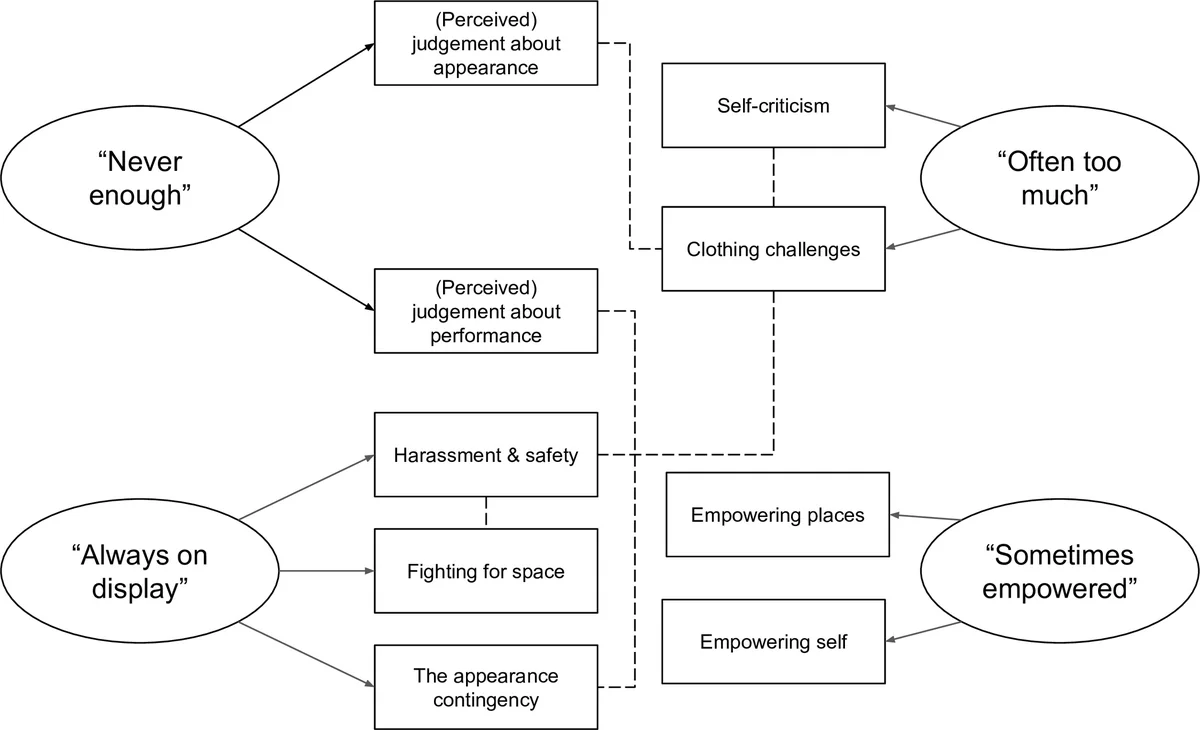
The 29 January paper analysed an English-language survey of 279 women, including current and former gym-goers. Data were collected in March 2024; most participants were current gym users and White. Responses described appearance and performance judgement, clothing difficulties, harassment, competition for space and experiences of empowerment. Thematic analysis combined accounts with body-image questionnaires. Social-media recruitment and self-selection limit representativeness, so the findings do not estimate every gym's conditions or all women's experiences. Associations cannot establish cause. The study highlights experiences reported by participants and questions about access to exercise; it does not evaluate an intervention that removed these barriers.
Body appreciation is a defined research construct
The original Body Appreciation Scale-2 development paper refined a measure of positive body image rather than treating it simply as the absence of dissatisfaction. Its ten items address accepting, respecting and appreciating one's body. The authors evaluated factor structure and other psychometric properties across samples. This background matters when reading gym research because a score concerns a particular construct. It is not a complete inventory of safety, exercise enjoyment or social belonging. A person can appreciate their body and still encounter unwanted attention; another can feel uncomfortable about appearance while valuing exercise. Using a defined scale makes comparisons more systematic, but the context in which a response is given remains important. The scale's development research also illustrates that measurement quality requires evidence rather than relying on a familiar-sounding label. Readers can therefore ask both what a questionnaire measures and what it leaves outside its scope. This is a methodological reading of the instrument's purpose, not a diagnosis or a ranking of respondents' confidence.
Functionality offers a second perspective on body image
The Functionality Appreciation Scale was developed to measure appreciation of what the body can do. Its original research evaluated a seven-item measure in community samples of women and men. Functionality appreciation extends beyond observing a physical ability: it concerns valuing the body's capacities. This gives exercise research another perspective alongside appearance. Learning a movement, developing a skill or appreciating daily function can have meaning that a question about looks does not capture. That is a useful conceptual distinction when participants describe both pressure and empowerment in exercise spaces. It does not mean that skill acquisition automatically resolves harassment or that one body-image construct causes another. Nor should a measure of functionality imply that bodies with fewer movement options deserve less appreciation. The instrument provides a defined subject for research, while participants' accounts supply context about how exercise environments feel. Reading both forms of evidence can reveal why a gym experience cannot be represented fully by one score, attendance count or assumption about a woman's motivation.
This research report is for education and professional discussion. Personal diagnosis, treatment and return-to-sport decisions require a qualified clinician.
Original sources
Read the underlying records.
Explore the official results, organiser reports or original research behind this story.