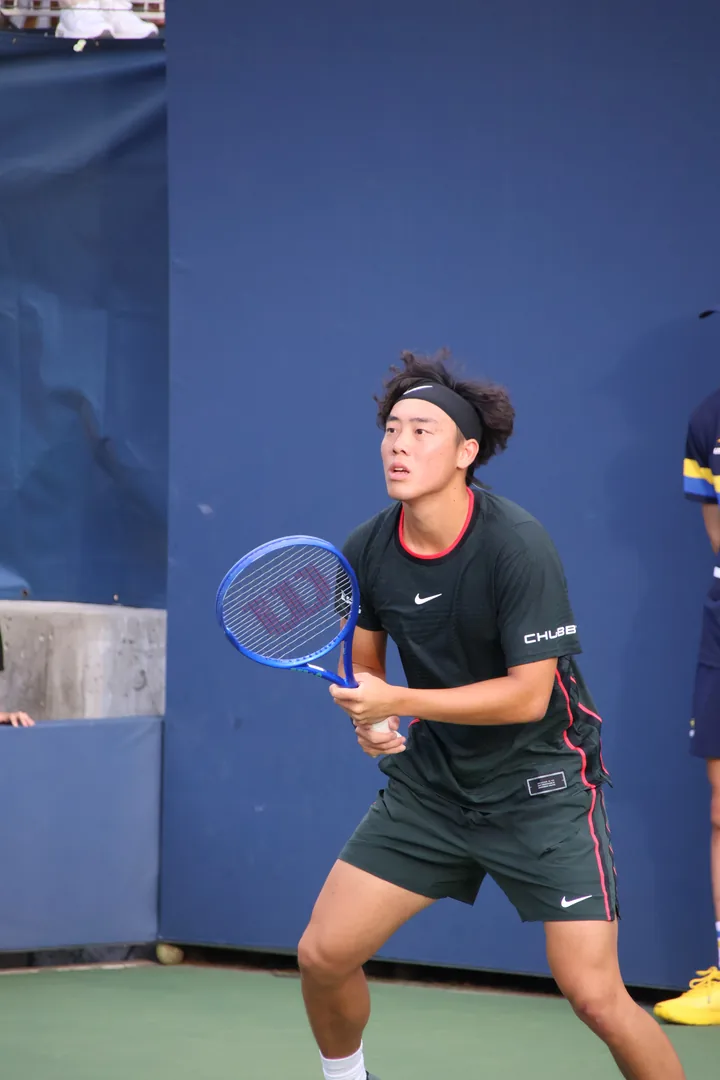
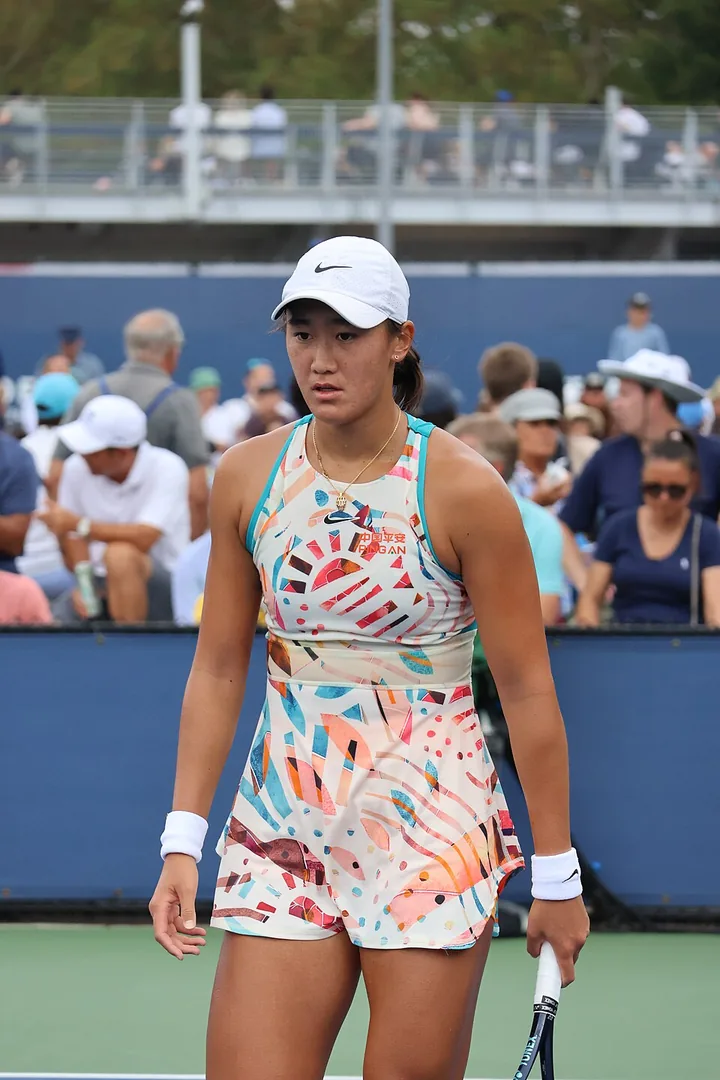
Singles, doubles and team formats built around speed, precision and repeat effort.
8Reports
8Events
5Health briefs
3Research questions
10Guide chapters
Origins and evolution
How Tennis took shape.
Modern lawn tennis grew from older racket games, especially real tennis, and became practical outdoors with new rubber balls in nineteenth-century Britain.
Founder or catalyst
Walter Clopton Wingfield patented and marketed one influential lawn-tennis set in 1874, but the modern sport emerged through several clubs and rule systems rather than one inventor.
From early practice to modern sport
Wimbledon began in 1877, a common international federation formed in 1913 and professional open competition began in 1968.
One structured reference connects the playing rules with tournaments, officiating, athlete development, performance, health, facilities, equipment, governance, integrity and the culture around the discipline.
Sport family
Racket & net sports
Guide depth
10 chapters · 43 topics
Competition model
Junior, collegiate, wheelchair, national and professional circuits connect rankings and qualification with team cups, tour finals and the four Grand Slam tournaments.
Officials
The event referee oversees the tournament. A chair umpire controls the match with line umpires or approved electronic line-calling and review systems where used.
Facility focus
Court dimensions are fixed while surface, run-off, net setup, lighting, weather policy and indoor clearance affect playing conditions and event certification.
Content standard
Official rules and primary sources first
01
Rules and game format
How Tennis is played and decided
Singles uses one player per side and doubles two. A legal serve starts each point; players alternate service games and change ends under the rules. Match format and final-set procedures are set by the competition.
01
Playing format
Singles uses one player per side and doubles two. A legal serve starts each point; players alternate service games and change ends under the rules. Match format and final-set procedures are set by the competition.
02
Scoring and result
Points build from love through 15, 30 and 40 to games; games form sets and sets decide the match. Advantage, no-ad and tie-break formats depend on the authorised event rules.
03
Restarts, faults and penalties
The current Tennis rulebook defines how play begins and resumes, which actions are illegal, how advantage may be applied and when warnings, penalties, disqualification or review are available.
04
Competition variations
Youth, masters, para, mixed, short-format and professional events can use authorised variations. The event regulations always take precedence for match length, entries, substitutions, tie-breaks and technology.
02
Tournaments and calendar
The Tennis competition system
Junior, collegiate, wheelchair, national and professional circuits connect rankings and qualification with team cups, tour finals and the four Grand Slam tournaments.
01
Competition pyramid
Junior, collegiate, wheelchair, national and professional circuits connect rankings and qualification with team cups, tour finals and the four Grand Slam tournaments.
02
Tournament architecture
Events may use round robin, pools, brackets, heats, qualification standards, rankings, series points or aggregate classifications. Draw and seeding rules should be read with the event handbook.
03
Season and qualification
The Tennis calendar connects entry deadlines, eligibility, ranking windows, qualification events and championship dates. iintroo links verified current events separately on this page.
04
Results and records
Official result books, federation databases and signed competition reports are the primary record. A result is not treated as a record until the governing body ratifies it where ratification is required.
03
Referees and officials
How Tennis decisions are made
The event referee oversees the tournament. A chair umpire controls the match with line umpires or approved electronic line-calling and review systems where used.
01
Match or contest officials
The event referee oversees the tournament. A chair umpire controls the match with line umpires or approved electronic line-calling and review systems where used.
02
Decision protocol
Officials apply the written rule, signal the decision, record reportable incidents and use only the review technology authorised for that competition.
03
Education and appointment
National and international pathways normally combine rules examinations, practical assessment, fitness or technical standards, safeguarding education, monitored appointments and periodic reaccreditation.
04
Protests and discipline
Field-of-play judgment, rule misapplication, eligibility, conduct and appeals follow different procedures. Deadlines, deposits, evidence and the competent panel are defined by competition regulations.
04
Athletes and development
From first participation to elite Tennis
Development combines technical coaching, age-appropriate competition, ranking or rating systems, physical preparation and gradual exposure to travel and higher-level events.
01
Participation pathway
Development combines technical coaching, age-appropriate competition, ranking or rating systems, physical preparation and gradual exposure to travel and higher-level events.
02
Technical and tactical learning
Coaching should define the core Tennis skills, perception and decision demands, progressive practice design and objective feedback appropriate to age and experience.
03
Selection and ranking
Transparent criteria should explain eligibility, observation, trials, ranking or qualification, deselection, conflicts of interest and the route for questions or appeal.
04
Dual career and transitions
Education, work, financial planning, identity outside sport and support through injury, deselection, transfer and retirement are part of a complete athlete pathway.
05
Training and performance
What performance in Tennis demands
Stroke production, serve and return, movement, perception, decision-making and between-point recovery are central performance demands.
01
Performance model
Stroke production, serve and return, movement, perception, decision-making and between-point recovery are central performance demands.
02
Training design
A season plan should connect competition demands with technical work, physical preparation, recovery, travel, monitoring and tapering rather than treating each area separately.
03
Testing and data
Tests are useful only when reliable, relevant to the athlete’s role and interpreted over time. Data collection needs consent, access controls, retention limits and a clear performance purpose.
04
Nutrition and recovery
Fuelling, hydration, sleep and recovery should match training load, environment, travel and the individual athlete. Supplements require contamination-risk assessment and qualified advice.
06
Health, medicine and safety
Tennis health priorities
Repeated acceleration and deceleration · Shoulder, elbow and wrist load · Heat, travel and individual recovery · Return to serve, stroke and competition
01
Repeated acceleration and deceleration
Assess repeated acceleration and deceleration in the real Tennis training, competition, travel, equipment and recovery context.
02
Shoulder, elbow and wrist load
Assess shoulder, elbow and wrist load in the real Tennis training, competition, travel, equipment and recovery context.
03
Heat, travel and individual recovery
Assess heat, travel and individual recovery in the real Tennis training, competition, travel, equipment and recovery context.
04
Return to serve, stroke and competition
Assess return to serve, stroke and competition in the real Tennis training, competition, travel, equipment and recovery context.
05
Emergency action
Every venue needs named medical leadership, communication, emergency equipment, ambulance access, referral pathways and rehearsed plans for the most serious sport-specific incidents.
06
Return to sport
Return should progress from clinical recovery through capacity, sport-specific training, full practice and competition, with shared decisions and documented criteria.
07
Mental health
Confidential care pathways should cover performance pressure, injury, sleep, eating concerns, harassment, transition and crisis response without making selection dependent on silence.
07
Facilities and event operations
A safe, competition-ready Tennis venue
Court dimensions are fixed while surface, run-off, net setup, lighting, weather policy and indoor clearance affect playing conditions and event certification.
01
Field of play
Court dimensions are fixed while surface, run-off, net setup, lighting, weather policy and indoor clearance affect playing conditions and event certification.
02
Accessibility
Arrival, circulation, seating, changing, toilets, warm-up, competition access, communication and emergency evacuation should work for athletes, officials, workforce and spectators with disabilities.
03
Event operations
Accreditation, scheduling, results, workforce, athlete services, transport, security, media, cleaning, waste, safeguarding and contingency planning form one operating system.
04
Environment and sustainability
Heat, cold, air quality, altitude, water, surface condition, lighting and weather require monitoring and predefined modification or cancellation thresholds. Procurement and travel plans should reduce avoidable impact.
08
Equipment and technology
Tennis equipment, fit and inspection
Racket dimensions, stringing, balls, nets and approved player-analysis technology are regulated. Ball type and surface classification are stated by the event.
01
Competition equipment
Racket dimensions, stringing, balls, nets and approved player-analysis technology are regulated. Ball type and surface classification are stated by the event.
02
Fit and maintenance
Correct size, setup, hygiene, inspection intervals, repair history and replacement criteria affect both performance and injury risk.
03
Measurement and replay
Timing, scoring, tracking, review and judging systems need calibration, operator training, failure procedures and a rule defining what the technology may decide.
04
Innovation approval
New materials, wearables, prostheses and performance technology must satisfy safety, fairness, data-protection and equipment-approval rules before competition use.
09
Federations, integrity and rights
Who governs Tennis and how
International, continental and national bodies share responsibility with leagues, event owners, clubs, athlete representatives and independent integrity systems.
01
Governance map
The international body normally owns or recognises global technical rules; continental and national federations administer pathways and selections; leagues, clubs and organisers deliver competition under delegated regulations.
02
Anti-doping
The applicable anti-doping code, prohibited list, testing authority, whereabouts obligations, therapeutic-use exemptions, results management and appeal route should be checked for the athlete and event.
03
Safeguarding and ethics
Codes of conduct need independent reporting, protection against retaliation, trained responders, case-management boundaries and published sanctions or referral rules.
04
Competition integrity and rights
Betting-related corruption, manipulation, conflicts, eligibility, image rights, data rights, contracts and disciplinary procedures require clear jurisdiction and due process.
10
Records, culture and knowledge
Tennis beyond the result
Archives, terminology, communities, media, participation and verified records explain how the discipline changes across countries and generations.
01
Records and milestones
Separate official records from best-known performances, era-specific marks and unratified claims. Record conditions, category, venue, date and source together.
02
People and institutions
Athletes, coaches, officials, clubs, schools, researchers, volunteers, organisers and federations all shape the sport’s history; biographies should distinguish verified fact from anecdote.
03
Terminology and tactics
A living Tennis glossary should define official rule terms first, then clearly label coaching language, tactical shorthand and regional usage.
04
Media and participation
Broadcast access, photography, commentary, fan culture, community programmes, gender equity and geographic reach influence who sees and can enter the sport.
Working language
Essential Tennis terms.
Deuce
A 40–40 game score under advantage scoring.
Tie-break
A point-based game used to decide a set under the applicable format.
Let
A point or serve replayed under a rule-defined circumstance.
Technical rules
The sport-specific rules that define legal performance, equipment, scoring and official decisions.
Competition regulations
Event-specific provisions covering entries, format, qualification, scheduling, tie-breaks and discipline.
Technical delegate
An appointed official who checks that the event meets the governing body’s operational and technical standard.
Safeguarding
Policies and practices intended to prevent and respond to harassment, abuse, neglect and exploitation in sport.
Return to sport
A staged, criteria-based process for resuming training and competition after injury or illness.
Classification
In para sport, the process used to determine eligibility and group athletes for meaningful competition.
Source standard
Rules change. The official document wins.
This guide explains the system without replacing the current rulebook, competition regulations, medical advice or a federation decision. Dates, rule editions and eligibility must be checked at the point of use.